From parmesan to brie, many of Europe’s best-known cheeses trace their origins back to medieval monasteries.
In a home dairy in the town of Żejtun, two Maltese scientists are drawing inspiration from those centuries-old traditions to create entirely original cheeses of their own.
Delectat was founded by food biotechnologist Mark Xerri and rural sciences professor David Mifsud, two childhood friends with a passion for artisan sheep and goat cheeses.
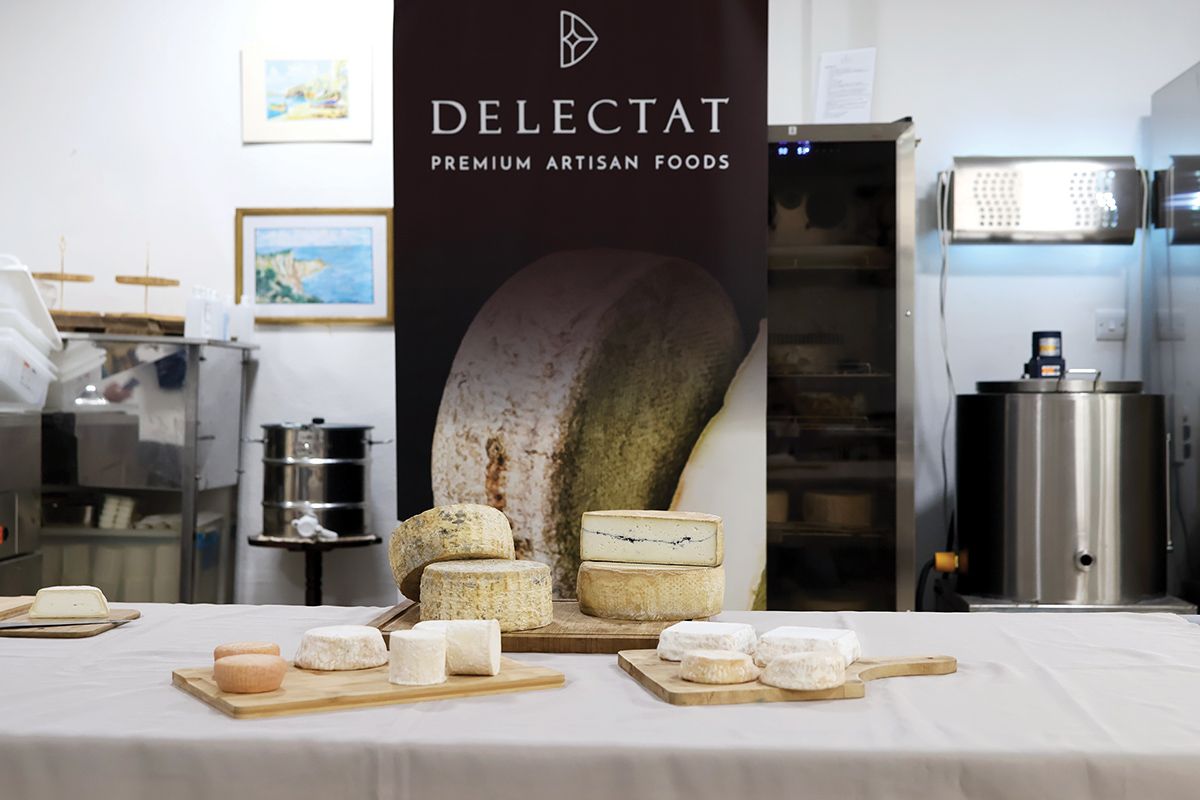
Operating from David’s home dairy, the pair combine local milk, probiotics and scientific research with techniques inspired by medieval monks.
“We researched the methods used in monasteries and the microbes monks unintentionally utilised while fermenting cheese,” Mark explains. “For example, they would dip cheese in whey or wine to remove mould, allowing beneficial microbes to infiltrate and protect the cheese. We’re now applying that process scientifically.”
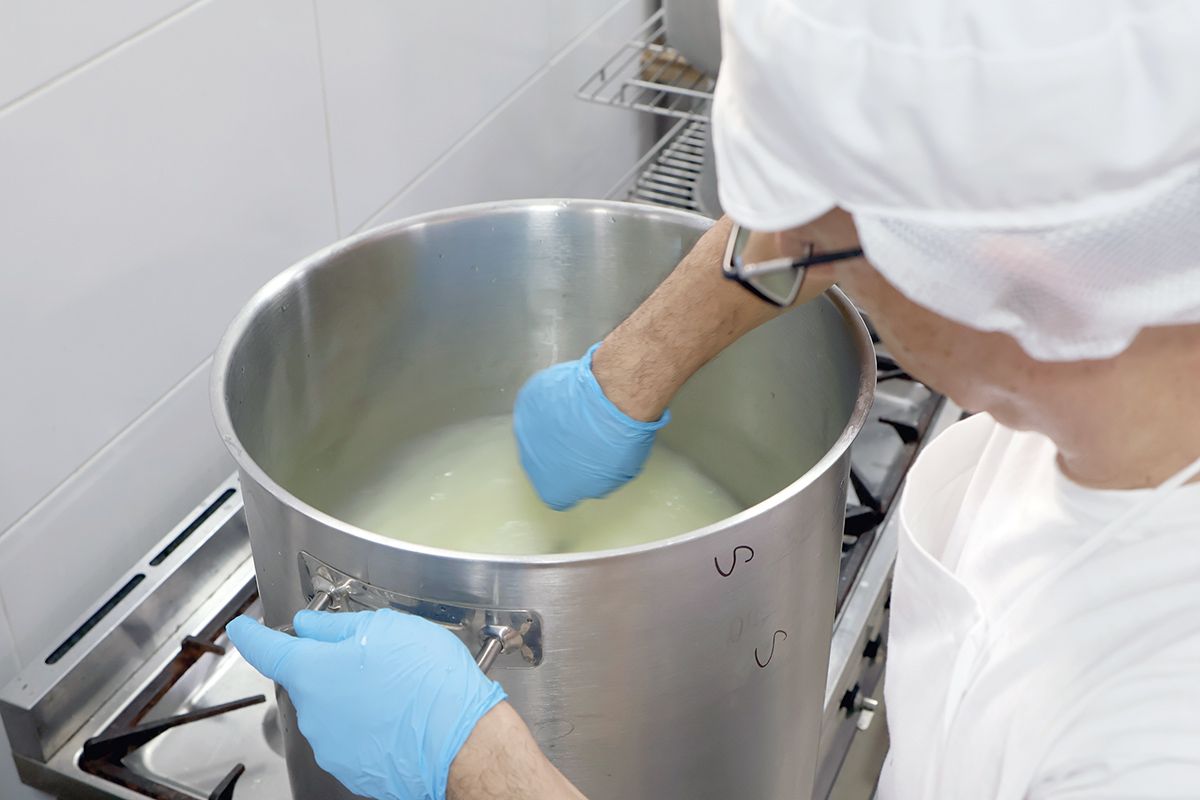
Milk sourced from sheep and goat farms around Żejtun is first tested for dilution, traces of cow’s milk and antibiotics before being pasteurised on site. Rennet is then added to curdle the milk, alongside carefully selected probiotics tailored to each cheese variety.
Selecting these probiotics took years of experimentation. Mark and David isolated microbes from local sheep and goat herds before collaborating with an overseas institute to identify strains best suited for cheesemaking.
The result is a collection of 10 distinctive cheeses named after monastic orders.
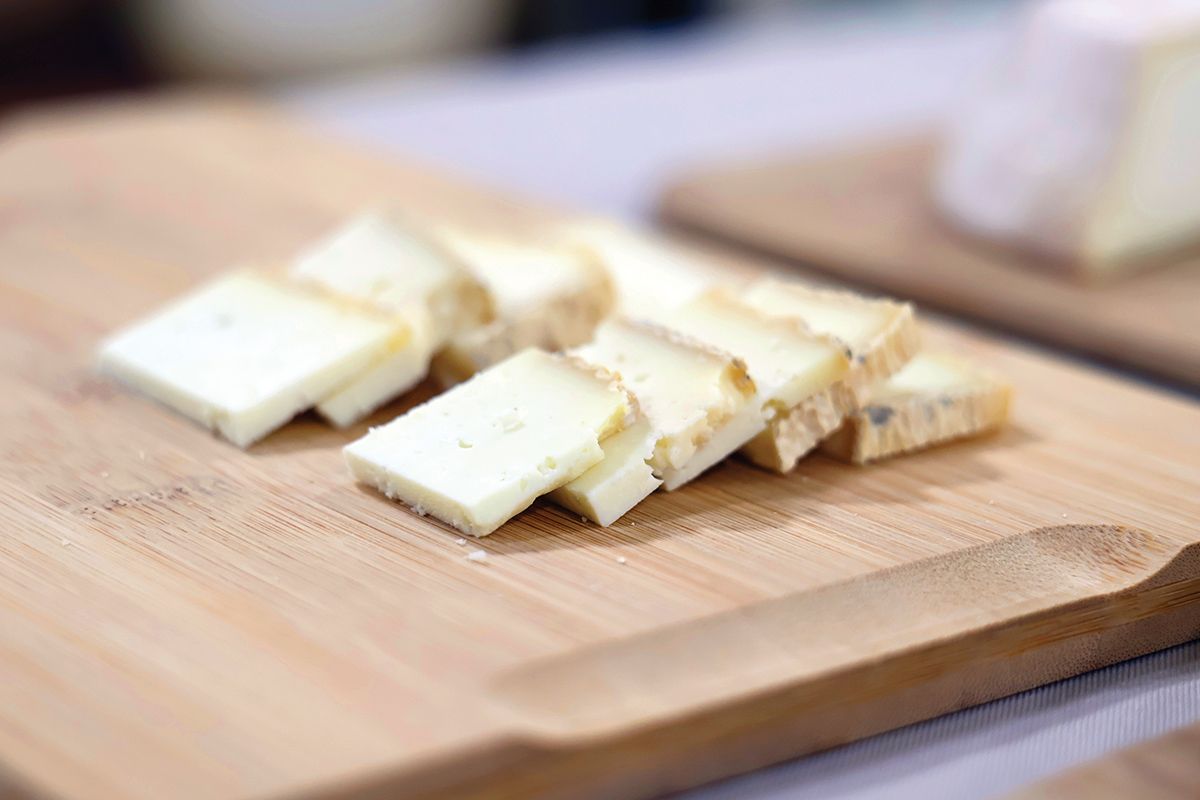
The Franġiskan (Franciscan) is a pecorino-style hard sheep cheese matured for six weeks, while the Benedittin (Benedictine) is a soft sheep cheese with a yoghurt-like flavour.
Matured for six weeks, the earthy Ġiżwita (Jesuit) and the Agostinjan (Augustinian) – a hard goat cheese marked by a streak of vegetable ash through its centre – are particularly unusual, since goat milk cheeses are rarely matured for such long periods. “You don’t often come across goat cheese matured for so long because goat milk is usually better suited to fresh cheeses, but we produce two types of hard goat cheese here,” Mark says.
Despite their complex flavours – ranging from truffle notes in the Franġiskan and the Ġizwita’s nutty undertones, Delectat’s cheeses contain no added preservatives or flavourings beyond the probiotic cultures themselves.
After removing the curd to create cheese, Mark and David also heat the remaining whey to produce ricotta using the traditional method from which the product takes its name – literally meaning ‘recooked’. Though labour-intensive and less commercially viable on a large scale, this traditional method produces a ricotta with a richer flavour, prized by food connoisseurs.
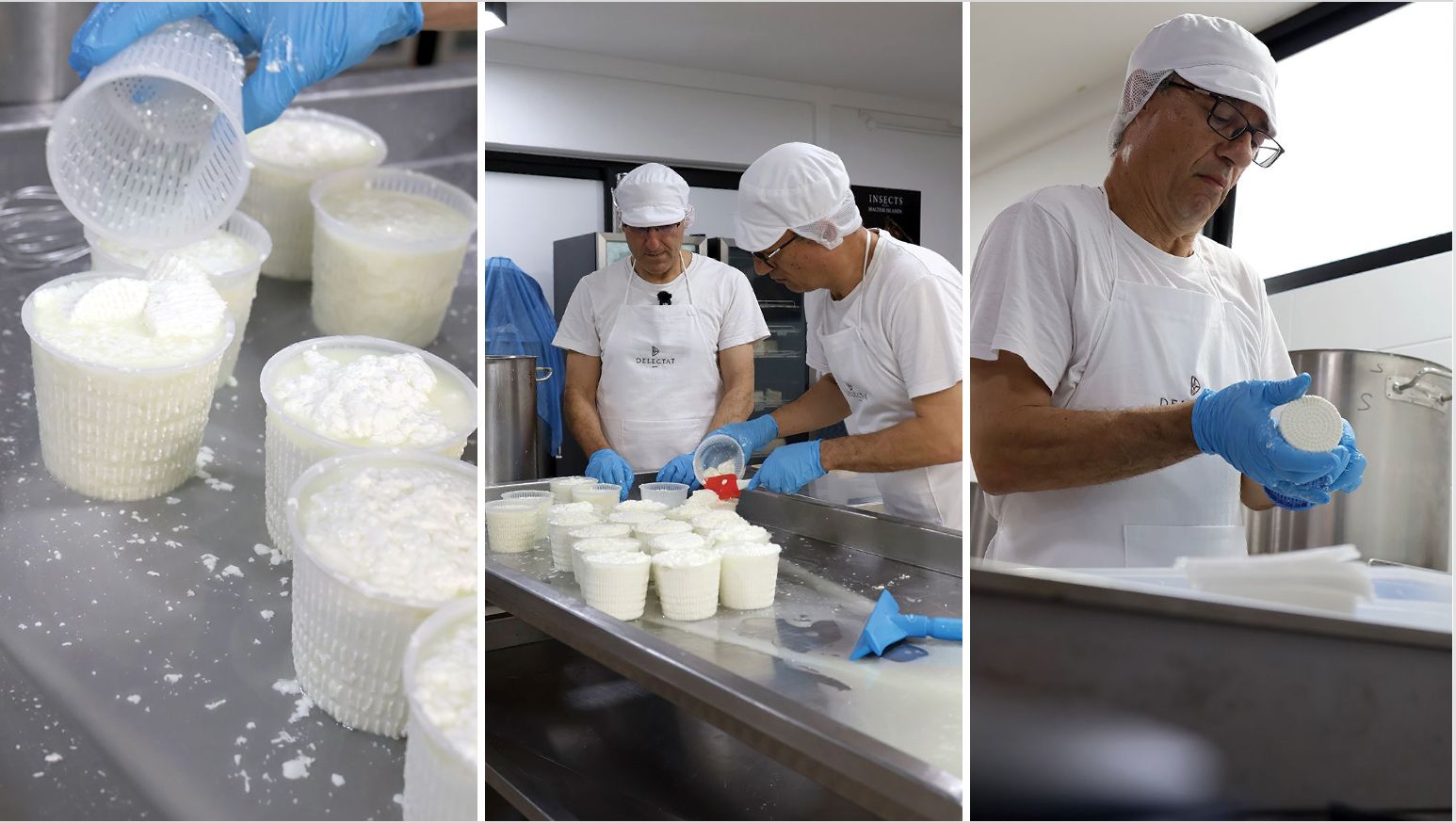
The pair also produce sheep butter, sheep yoghurt and the far rarer goat yoghurt. “We don’t add any sweeteners, colours, thickeners, stabilisers or chemical preservatives,” Mark says. “We simply heat the milk, cool it, add probiotics and allow it to ferment naturally.”
Alongside selling their cheeses and other products through specialised shops and directly to customers, Delectat also hosts cheesemaking workshops and tasting events, allowing visitors to create their own cheese and sample the products together with wine and charcuterie.
Although they continue experimenting with new varieties, Mark and David have little interest in large-scale expansion. Instead, their focus remains on craftsmanship, experimentation and creating cheeses with a distinctly Maltese character – proving that even in one on the world’s oldest culinary traditions, there is still room for invention.
This article was first featured in the 100th edition of GuidemeMalta 2026.