Sounds familiar? Check out this documentary on past plagues, pandemics & mitigation measures in Malta
During the Second World War, throat swabs were one of the means to check for diseases such as scarlet fever whilst during the 1675 outbreak of plague, financial aid was given to the needy, Mdina was closed to non-residents, and travel to Gozo was discouraged in an effort to contain the disease.
Sounds familiar? Prepare to be amazed at how history repeats itself and what we can learn from past pandemics and epidemics in Malta. Travel back in time and delve into archival documents and research, and witness how these have influenced current mitigation measures against Covid-19 in a feature that Heritage Malta will stream on its Facebook page on Thursday 8th April, at 6.30pm.
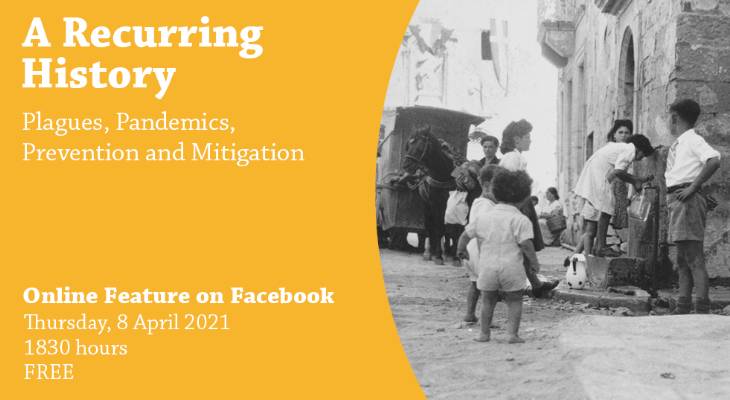
A Recurring History - documentary
The 20-minute documentary in English will take viewers on a swift journey through the ages, not only to catch a glimpse of local life during past pandemics, epidemics, and various contagious diseases but also to gain some insight into how our health authorities have tackled them across the centuries as we continue battling yet another one.
Malta’s history with pandemics
The Maltese Islands have been no stranger to past pandemics. In 1348, the Black Death reached our shores through trade with Sicily, whereas the plague of 1592-3 left some 3,300 deaths in its wake, a staggering 12 per cent of the population. This triggered the Knights of St John to later establish a permanent Lazzaretto on Manoel Island, making the Maltese harbour one of the Mediterranean's safest.
Despite this and other sanitary procedures, the plague that lasted from 1675 till 1676 sent 11,300 people to their graves and wreaked havoc in densely populated areas such as Valletta and the Three Cities. Unlike the monetary fines meted out today, capital punishment was one of the severe penalties Grand Master Cotoner and his council handed out to those who contravened quarantine regulations. Sheesh!
Yet another major outbreak of the plague occurred in Malta between 1813 and 1814, causing some 4,500 deaths or approximately five per cent of the islands' population. Almost a century later, the lethal Spanish Flu was the next pandemic to hit the Maltese Islands, reaching our shores in June 1918 and killing 1.5 per cent of the population. Preventative measures included controlling overcrowding in places of entertainment, the closure of government schools, and public health campaigns on the importance of cleanliness. Rings some bells, doesn’t it?
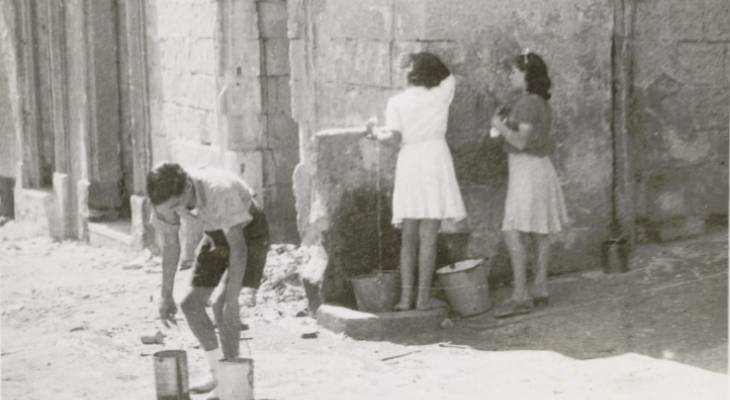
Health authorities remained highly vigilant against epidemics throughout the war. Still, a direct hit to sewage pipes in the summer of 1942 led to an outbreak of Typhoid in the Ta' Qali area and the surrounding villages. In an effort to curb the spread of this highly infectious disease, typhoid vaccines were made obligatory.
There were many who objected to the imposition of this vaccine, which brings us back to the present debate, an equally hot potato in 2021!
Check out the documentary on Thursday which will be streamed live on Heritage Malta’s Facebook page.