An amazing glimpse into times gone by.
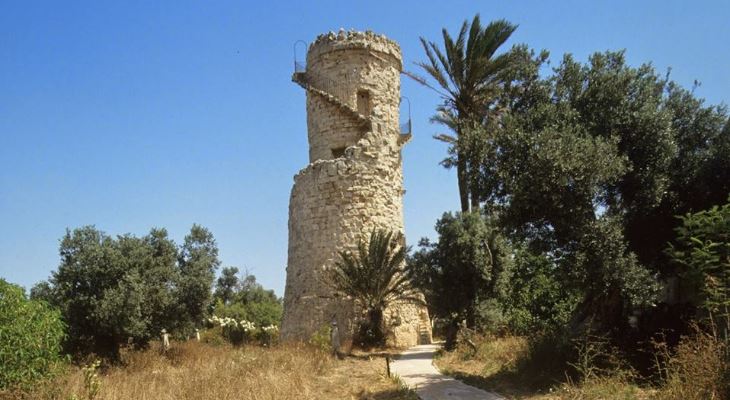
The little-known Xlejli Tower (Torri tax-Xlejli or Torri Xulliela in Maltese) in Gudja, is one of those underrated gems that offers a fantastic insight into our islands’ past. Located on the grounds of Palazzo Dorell, it’s thought to be far older than the palace itself, possibly even dating back to Roman or medieval times, though its exact age remains a mystery.
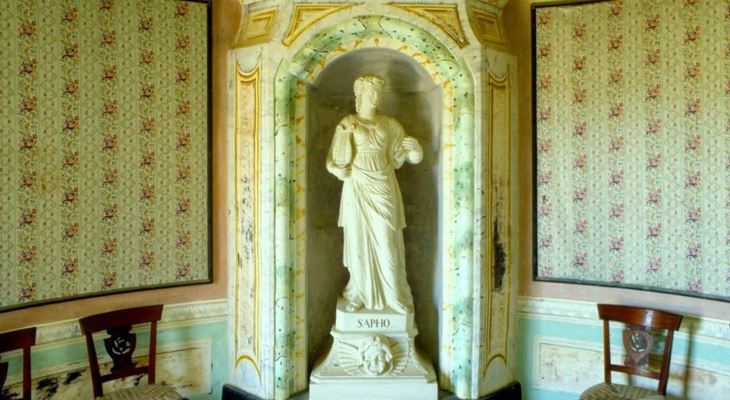
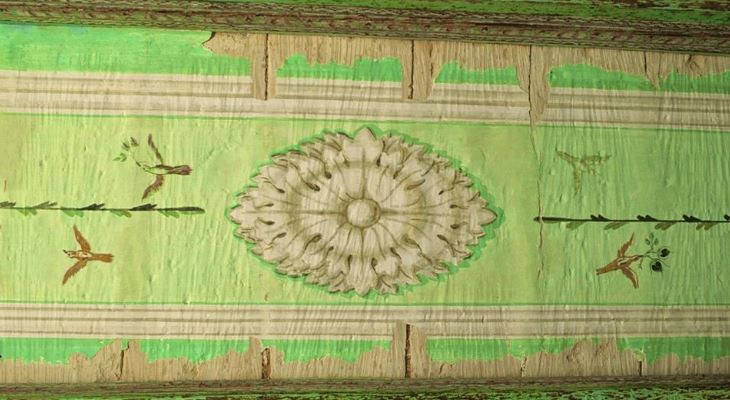
These rare photos offer a unique glimpse into the inside of the tower, which is not accessible to the public due to its location on private property. In a facebook post by a Gudja resident, these exclusive photos reveal a crumbling interior adorned with lavish frescoes that hark back to times gone by.
In one, a stone figure titled ‘Sapho’ stands within a marble niche – could this be a reference to the Queen of Sicily in John Lyly’s 1584 allegorical play, Sapho and Phao? Or is the connection more likely to be older still, in reference to the archaic Greek poet from the island of Lesbos? Both are plausible, given that the interior was decorated by Marquees Bettina Testaferrata Dorell in the 17th century, (after which the tower is also known, as Bettina Tower).
Another showcases a lavish table set up with an array of carved fruit and meats, against the backdrop of a meticulously frescoed room complete with painted wooden beams.
The oldest reference to the tower dates back to 1570, when it was described as a lookout tower built in the 12th or 13th century, however, according to writings dated 1804 belonging to Louis de Boisgelin, official historian of the Knights of St John, the tower may date back to the Roman period. In fact, he notes that an urn full of Roman copper medals was found in the tower, also citing that the tower has a round shape, similar to other Punic-Roman towers in Malta – although of course, with no concrete evidence of its provenance, one can never be sure!
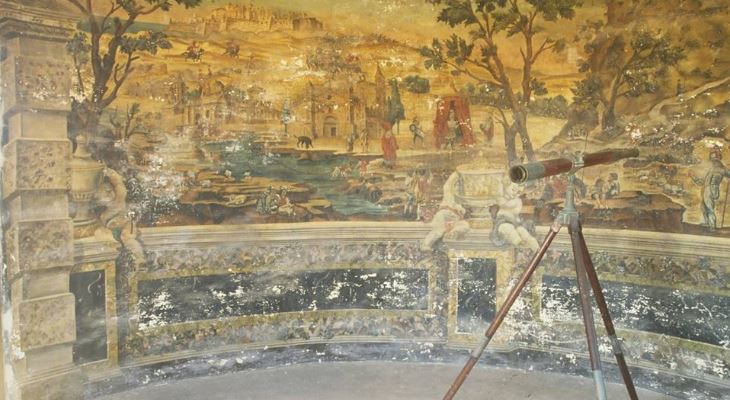
Whatever the case may be, what is certain is that it predates Palazzo Dorell, which was built close to the tower, with Xlejli Tower being included in its grounds within a large walled garden. Since then, the tower has sadly been closed to the public, making these photos all the more fascinating.
Within his post, the Gudja resident who took them warns that since the tower is found on private property, there are no days or times in which the tower is open to visitors, but this can be arranged exclusively with the owners’ permission. Fascinating, isn’t it?
Did you know about Gudja’s crumbling Xlejli Tower? Let us know in the comments below!
Gudja / Facebook