The results of the five-year FRAGSUS research project paint a new picture of life in early Malta.
New research has shown that the first inhabitants of Malta arrived about 700 years earlier than previously thought, and that the Maltese Islands saw more than one episode of Neolithic colonisation.
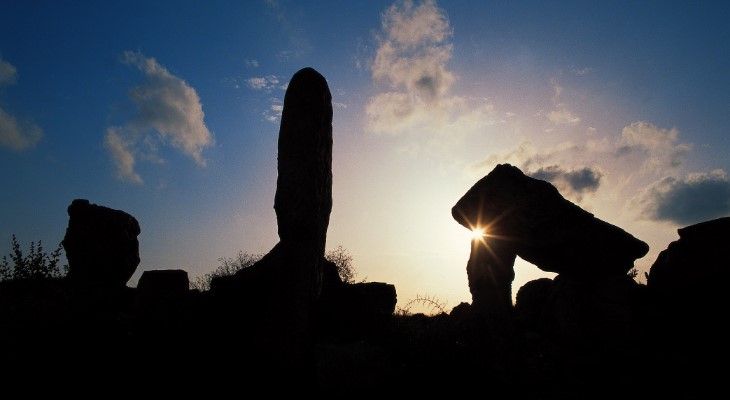
viewingmalta
This is according to studies falling under the FRAGSUS research project (Fragility and sustainability in restricted island environments: Adaptation, cultural change and collapse in prehistory). It was funded by the European Research Council and conducted by an international interdisciplinary team, consisting of scientists and archaeologists from Malta, Britain and Ireland.
They have been hard at work for the past five years, trying to shed more light on the environmental changes, and their effect, on the human population in Maltese prehistory. Questions were put forward to tackle the issue of human impact, coupled with climate change, on fragile landscapes over time. The full results of the studies will be presented during a one-day conference to be held on 17th March at Fort St Angelo, Birgu.
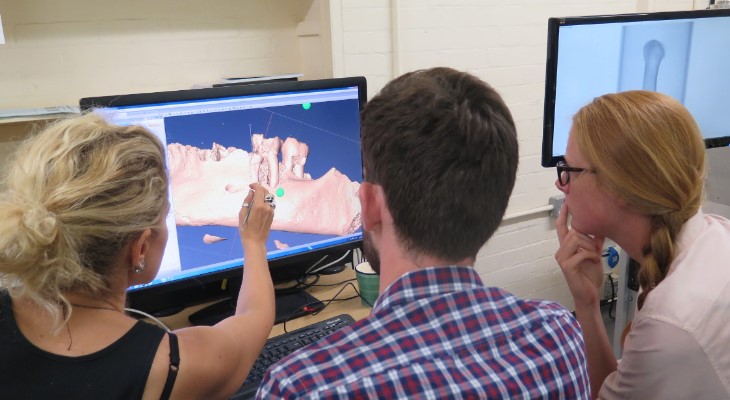
FRAGSUS
Amongst their investigations, the researchers focused on the impact of human beings on the fragile landscapes of Malta and attempted to determine if the existence of the first settlers in Malta was sustainable. They have also studied the provenance and health of the Maltese prehistoric population.
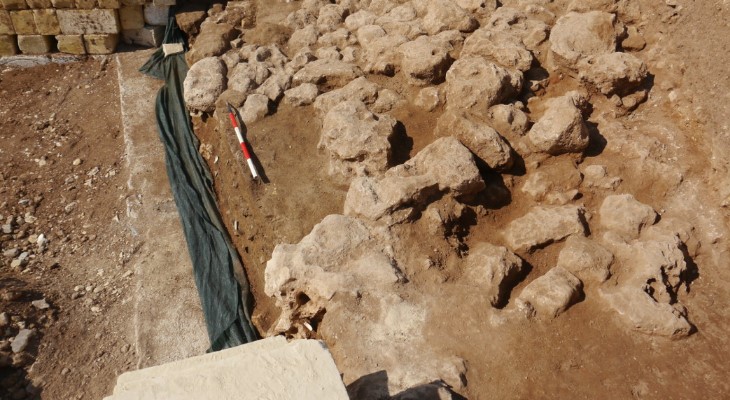
FRAGSUS
The research included archaeological excavation and the analysis of Neolithic human remains. Landscape and soil history, obtained from deep sediment cores, was used to reconstruct the ancient environment, together with exacting radiocarbon dating.
An exhibition highlighting all the results will be inaugurated following the conference, on the evening of 17th March, at the National Museum of Archaeology, Valletta. This exhibition will be open to the public free of charge from 18th March till 15th June.
For further information including the full conference programme, and to register for the event, please send an email to [email protected] or call 21239375 by 14th March.
Check out the guidememalta events’ pages for more information on the conference and the exhibition.