LYNDSEY GRIMA speaks to local beekeeper RAY SCIBERRAS about Malta’s deep-rooted relationship with honey, from its ancient heritage to modern sustainable beekeeping.
Honey is more than a sweet delicacy in Malta, drizzled over breakfast toast or stirred into tea. It is part of the islands’ identity, woven into centuries of history, tradition, medicine, and agriculture.
Before Malta became known for its 300 days of sunshine, crystal-clear beaches and limestone cities, the islands were already famed for their honey production. So much so that the ancient Greeks named the island Melite, which is widely believed to derive from the Greek word meli, meaning honey.
Today, that ancient craft is still alive thanks to passionate beekeepers like Ray Sciberras and his partner Denise Camilleri, who together run Golden Island Ltd. Across Malta, they manage more than 150 beehives, producing award-winning raw Maltese honey alongside beeswax candles, cosmetics and traditional preserves inspired by the islands’ natural landscape.
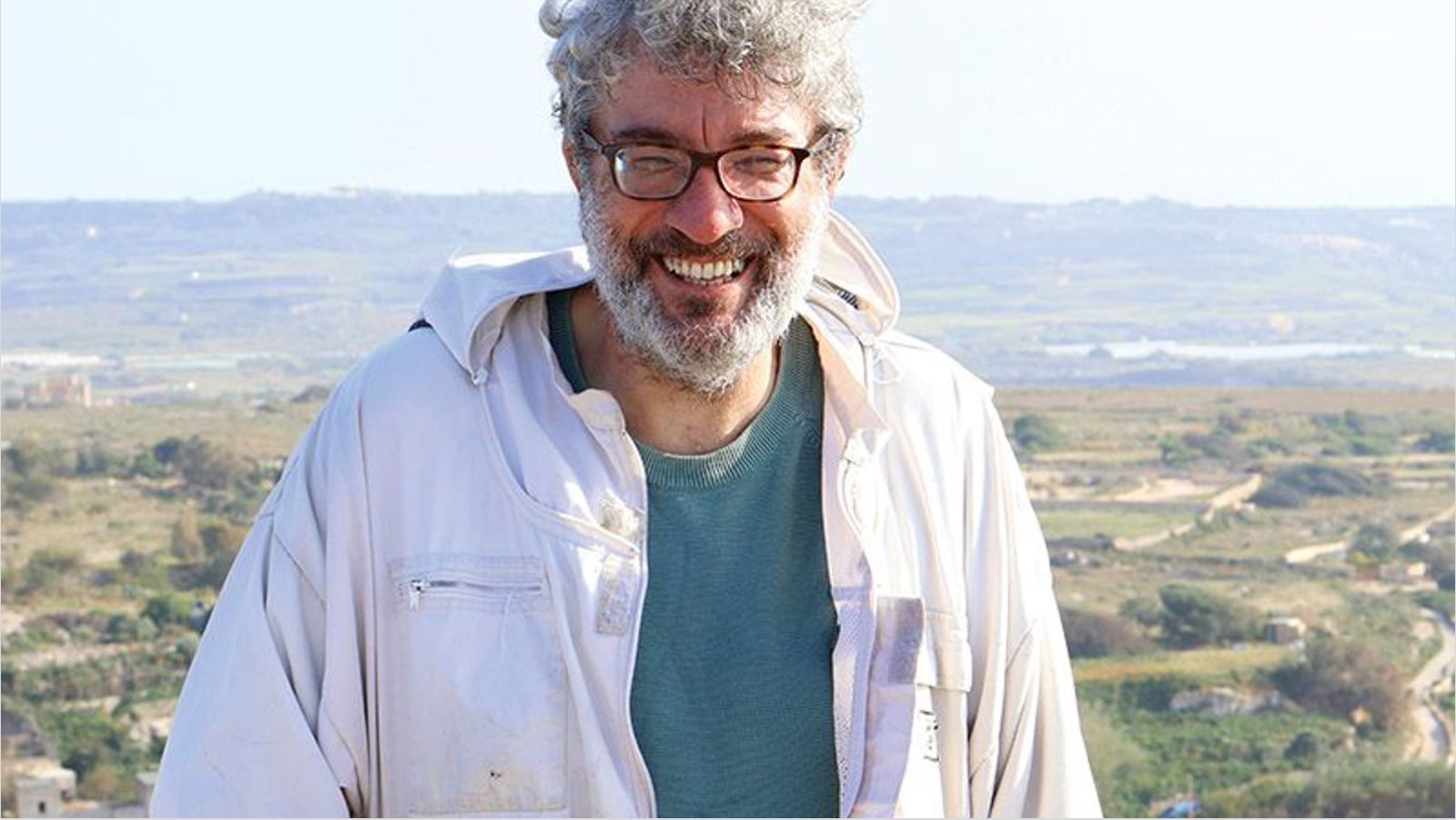
For Ray, however, the journey into beekeeping began almost by accident. “Back in 2006, the only similarity I had to a bee’s lifestyle was the endless work hours I put into my business as an industrial chemist within the superyacht sector,” he recalls with a laugh. “A chance encounter with a friend’s beehives changed my life completely. From my very first visit, I was bewitched and intrigued by these organised social insects.”
Ray explains that what started as curiosity quickly became his passion. After attending courses both locally and abroad and spending countless hours studying beekeeping books and videos, he realised his growing collection of hives was turning into something much bigger.
“In 2008, I decided to take the plunge and make apiculture my profession,” he says.
Today, sustainability lies at the heart of Golden Island’s philosophy. “The health of the bees always comes before financial gain,” Ray explains. “Without healthy bees, there is no future – not just for honey, but more importantly for biodiversity.”
At the heart of Malta’s beekeeping heritage is the Apis Mellifera Ruttneri; the endemic Maltese honeybee found nowhere else in the world. Adapted over thousands of years to Malta’s hot summers, dry climate and coastal winds, this resilient bee produces honey with a flavour profile unique to the islands.
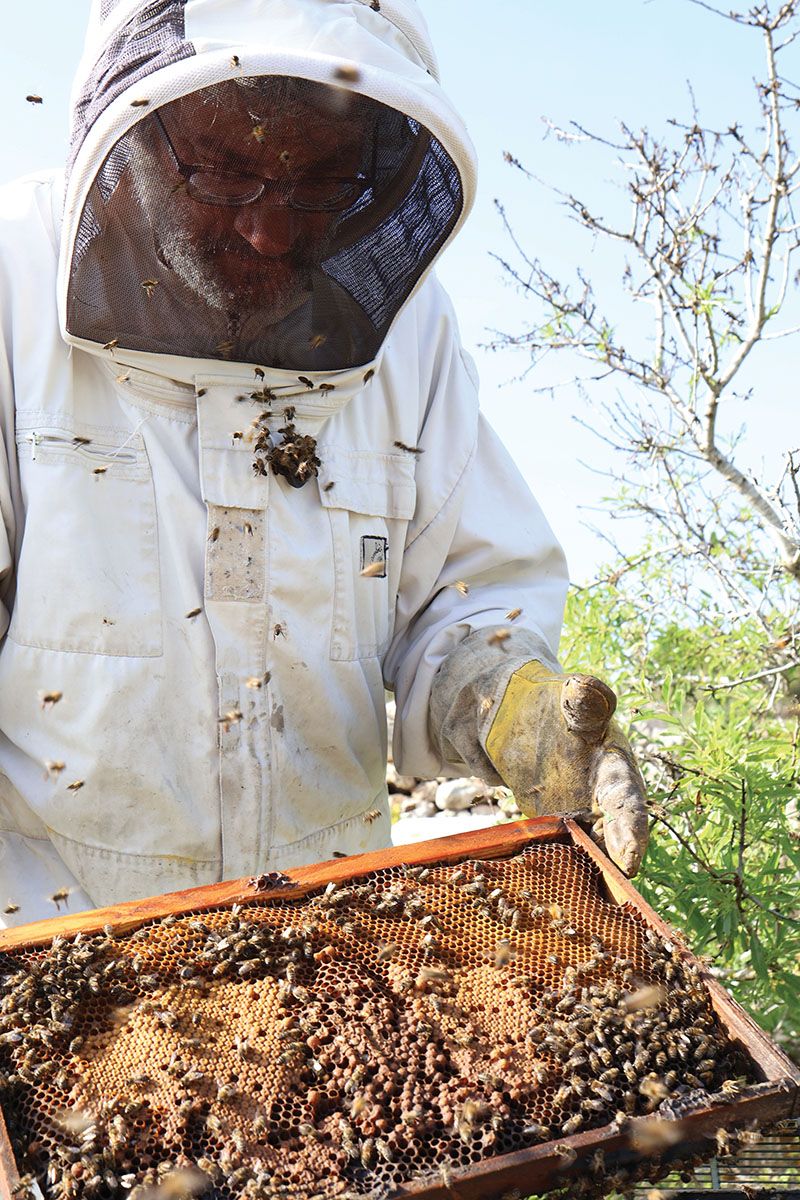
“The Maltese honeybee is incredibly hardy and perfectly adapted to our environment,” Ray explains. “It can survive extreme heat and forage efficiently even during difficult conditions.”
The bees collect nectar from a rich variety of Mediterranean flora scattered across the islands. Thyme, carob, eucalyptus, citrus blossom, clover, and wildflowers all contribute to the flavour and aroma of Maltese honey.
“You can literally taste the Maltese countryside in every jar,” Ray says. “Each season brings different floral notes depending on what’s blooming.”
Spring is one of the busiest and most rewarding periods for beekeepers. Hive populations expand rapidly as flowers bloom across the countryside. Summer, however, presents its own challenges.
“Malta’s summers are becoming harsher and drier due to climate change,” Ray says. “Longer heatwaves and reduced rainfall affect flowering plants, which means bees struggle to find enough forage.”
Climate change has become one of the greatest concerns for beekeepers worldwide, and Malta is no exception. Extreme temperatures, shifting weather patterns and stronger winds all influence honey production and bee health.
“Beekeeping teaches patience and resilience,” Ray notes. “You work with nature, not against it. Every season is different.”
Their hives are strategically placed across various rural areas, such as Mġarr and Xemxija. Archaeological evidence suggests that organised beekeeping on the islands dates back to the Phoenician period between 750 BC and 480 BC, while the Romans and Arabs further developed local honey production techniques.
Several ancient Punic apiaries, known as migbħa, still survive today, while place names such as Imgiebaħ and Wied il-Għasel (loosely translated to Valley of Honey) reflect Malta’s deep connection to honey-making.
“The historical link fascinates people,” Ray says. “When visitors realise Malta’s very name may have originated from honey, they see the islands differently.”
Honey also played an important role during the time of the Knights of St John. Before refined sugar became widely available, honey was used as a natural sweetener and medicinal remedy. It was commonly given for sore throats, coughs and wound treatment at the Knights’ famed Sacra Infermeria hospital.
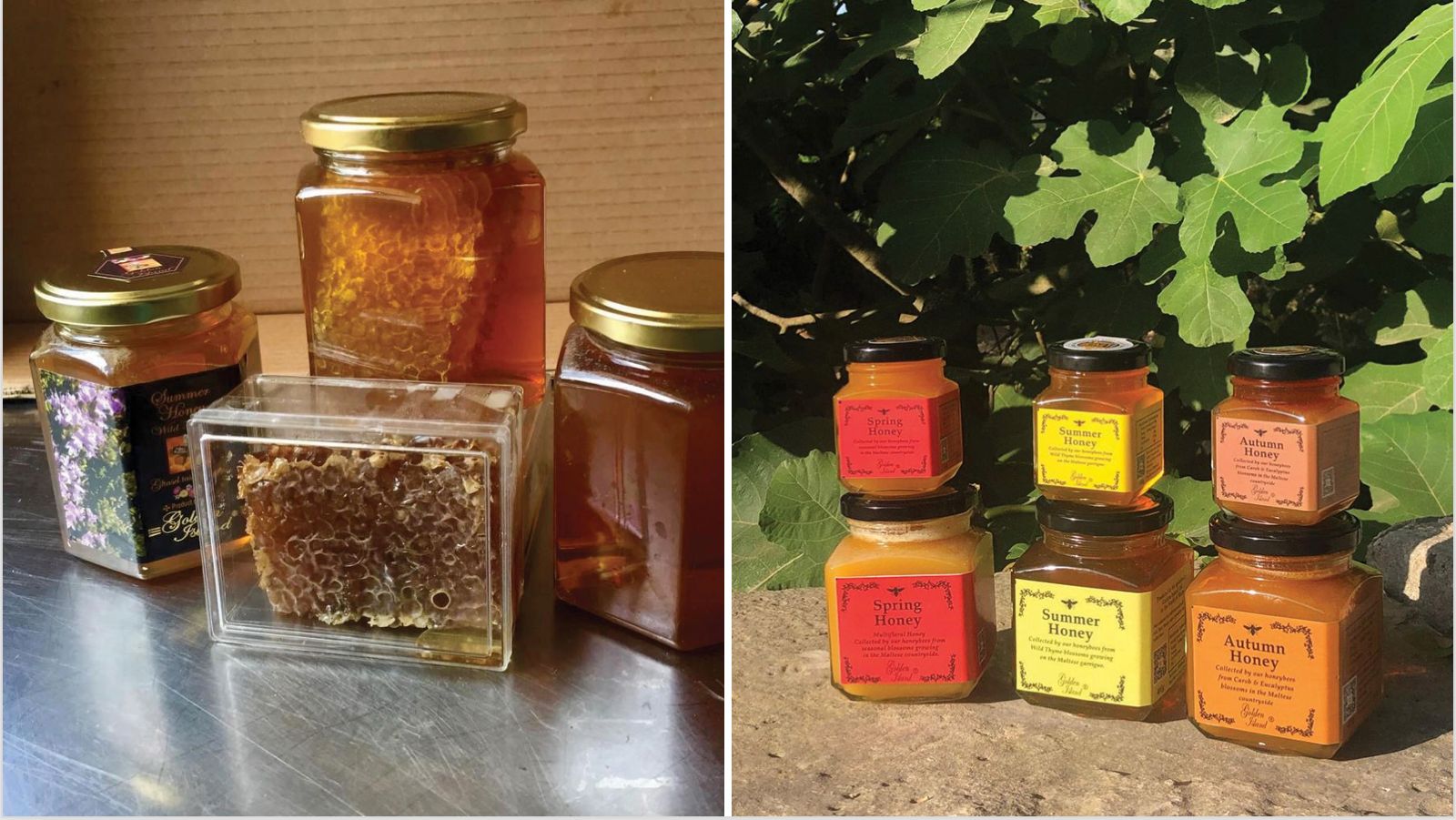
Even today, honey remains deeply rooted in Maltese culinary traditions. It is used in classic recipes such as qagħaq tal-għasel, honey rings traditionally enjoyed during festive periods, as well as herbal remedies and homemade infusions.
For Ray, one of the most rewarding aspects of beekeeping is educating people about the importance of bees within the ecosystem.
“Many people fear bees, but once they understand how essential they are for pollination and biodiversity, their perspective changes completely,” he says.
Through agro-tourism experiences, artisan markets and educational initiatives like the Let’s Talk Farming programme for schoolchildren, the couple hopes to inspire greater appreciation for local agriculture and sustainable food production.
Their dedication has not gone unnoticed. In fact, Golden Island has received several prestigious recognitions, including a Gold Medal at the London Honey International Awards and runner-up honours at the Premju Ġieħ l-Artiġjanat Malti (Maltese Artisan Heritage Award).
Yet despite the accolades, Ray insists the real reward comes from the bees themselves. “There’s something magical about opening a hive,” he says. “No matter how many years you’ve worked with bees, they continue to humble and amaze you.”
For consumers wanting to purchase authentic Maltese honey, Ray advises paying close attention to labels and sourcing. “People should look for genuine local producers and raw honey whenever possible,” he explains. “Unfortunately, a lot of imported honey blends are sold cheaply, but authentic Maltese honey has a distinctive flavour, aroma and texture that reflects our islands and nothing beats its taste.”
The work of beekeepers like Ray and Denise shows that traditions are worth preserving – not only for their cultural value, but for the critical role they play in sustaining the natural world.
The quiet hum of bees across the countryside remains a timeless soundtrack to the islands’ history one jar of golden honey at a time.
This article was first featured in the 100th edition of GuidemeMalta 2026.