



‘Intermezzo for Strings’ returns to Gozo for its fourth edition this Sunday
It's all happening this Sunday 25th October!




From gift wrapping to excessive food waste, the environmental impact of the holidays continues to grow.


The festive season ushers in an atmosphere characterised by warmth, generosity, and celebrations. This is a time when people come together, give gifts, and enjoy special meals with friends and family.
But behind the sparkling lights and exquisitely packaged presents, a less cheerful reality exists: Christmas is also one of the most waste-generating periods of the year.
From plastic-laden gift packaging to excessive food waste, the holidays continue to take an ever-heavier toll on the environment.
The Environment and Resources Authority (ERA) is encouraging everyone to make more sustainable choices this Christmas, reminding us that the joy of the season does not need to come at the expense of our planet.
The objectives are simple: wholeheartedly celebrate while making conscious decisions that reduce waste and protect our environment.
For starters, the tradition of placing decorative gifts under the Christmas tree has been a custom passed down through generations. Though visually appealing, much of the wrapping paper used today is far from environmentally friendly.
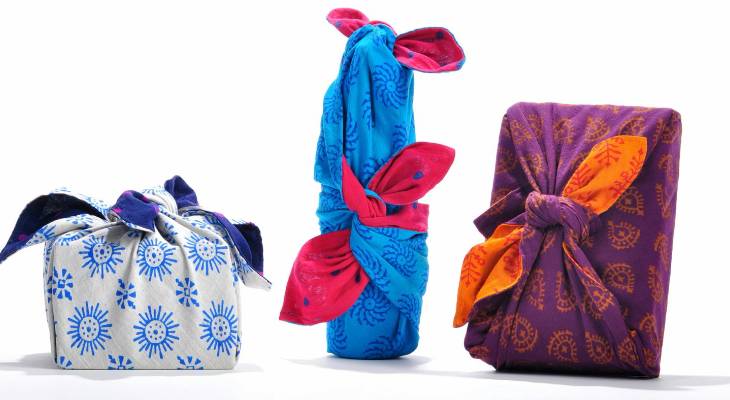
Most commercial wrapping papers include foil, glitter, plastic coatings, or lamination that make them look shiny and durable, yet, in turn, make them non-recyclable.
Add to that the ribbons, bows, plastic packaging, and disposable gift boxes, and it becomes clear how fast waste piles up during this season.
But the good news is that small changes in how we wrap, package, and prepare gifts can significantly reduce this burden.
A shift towards sustainable wrapping not only benefits the environment but can also make your gifts stand out beautifully and thoughtfully. Here are a few greener alternatives:
While gift wrapping is a major contributor to Christmas waste, food waste is equally significant, especially during the festive season.
Large meals, multiple gatherings, and over-purchasing often result in leftover food that goes uneaten and eventually ends up in the bin.
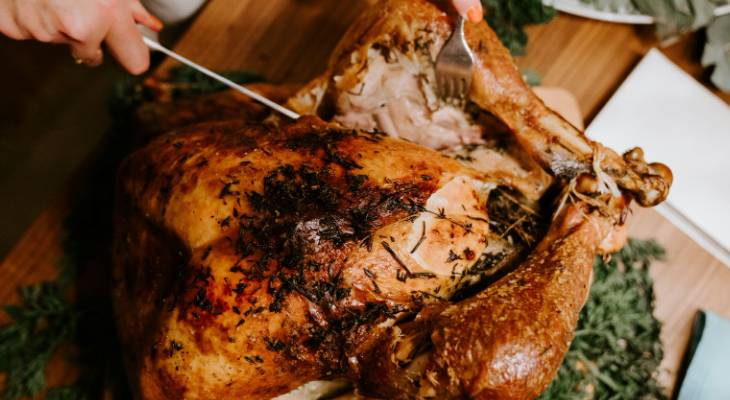
Food waste carries consequences beyond the bin: it represents wasted resources, energy, and labour used to produce, transport, and store the food.
Here are simple but effective tips to reduce food waste this Christmas:
Sustainability does not call for grand actions, but for thoughtful, collective habits. Be it mindful gift wrapping or less use of plastic and food waste, every little action counts toward keeping the environment healthy.


History

It's all happening this Sunday 25th October!

The Malta Book Festival is happening between the 4th and 8th of November!
It’s all happening on the 25th of October!

It’s all happening between the 4th and 8th November!