From handcrafted ġbejniet (cheeselets) to distinctive artisan cheeses, Malta’s cheesemakers are bringing fresh energy to one of the island’s oldest culinary traditions.
Traditional Maltese cheesemaking is reaching new audiences through Ta’ Żeppi Farm, whose products now appear on the menus of Michelin-starred and recommended restaurants across Malta.
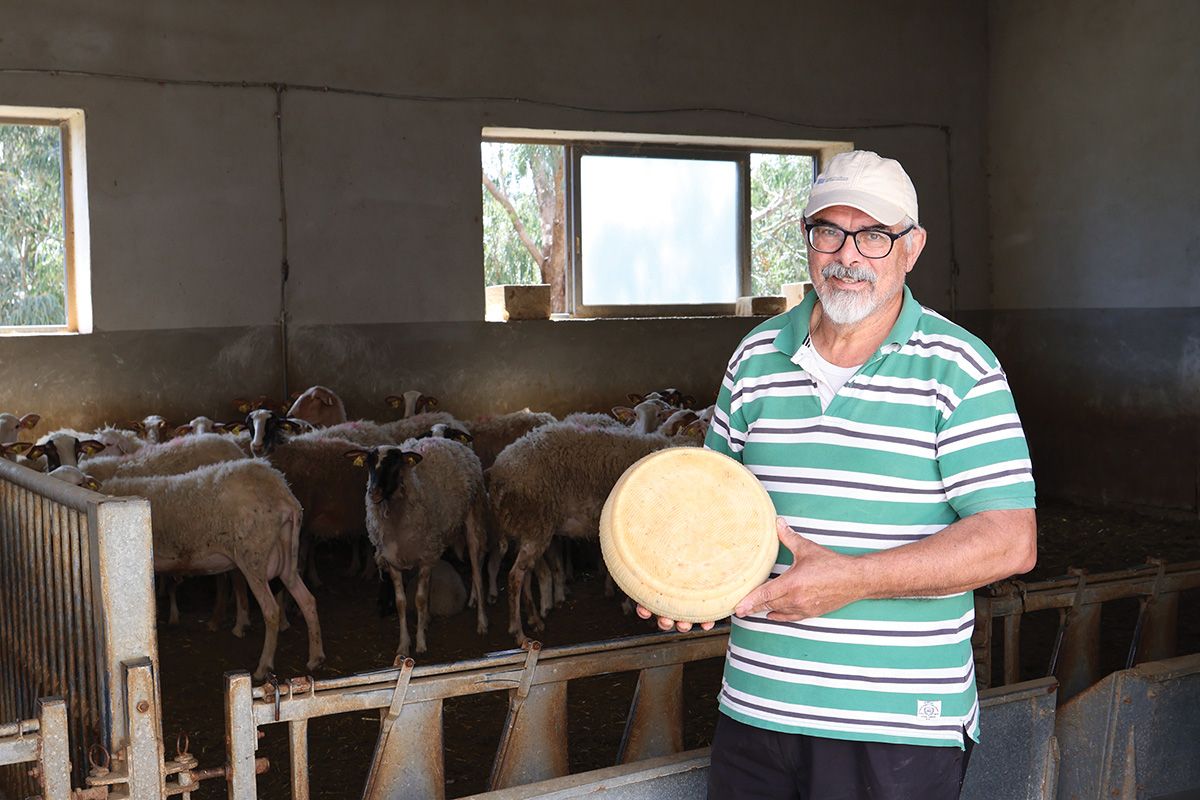
Nestled in the village of Siġġiewi, the sheep farm is run by Joseph Vassallo, who employs a small team of herdsmen to tend a flock of around 250 sheep, milk them and transform the milk into a range of ġbejniet (cheeselets), pecorino and artisanal cheeses.
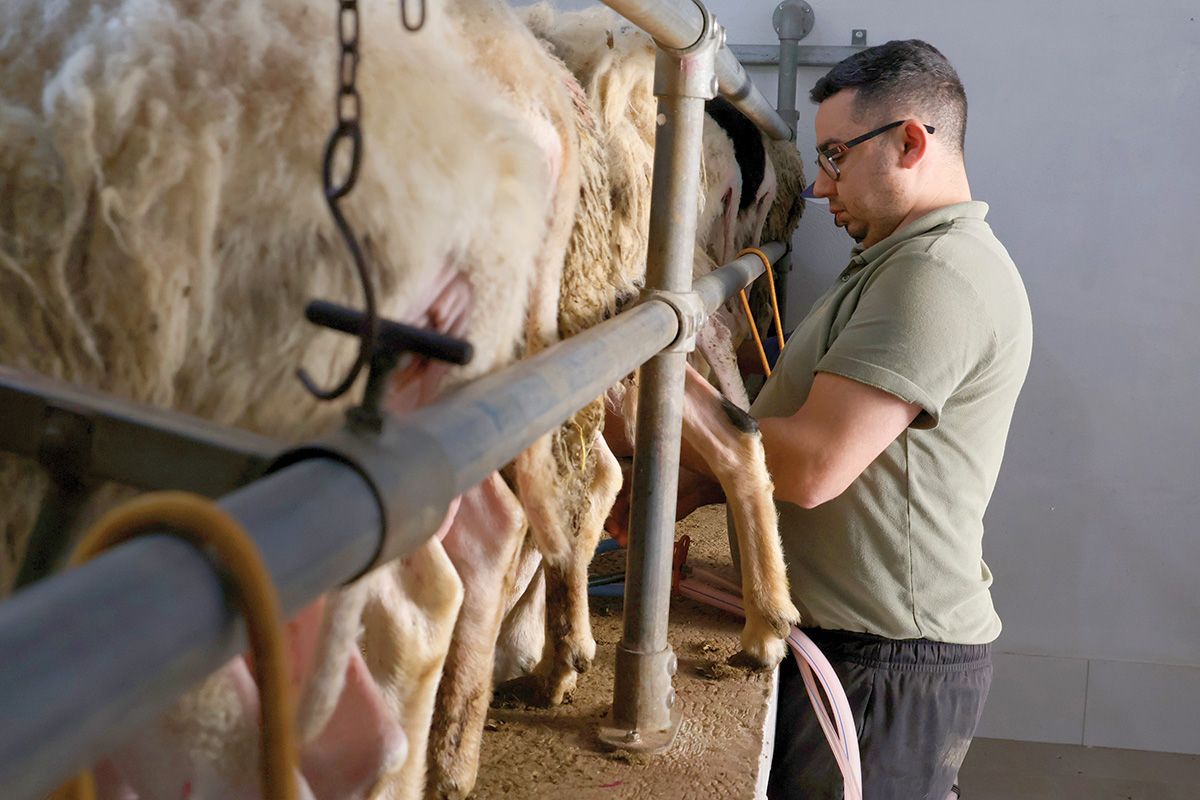
Joseph is very much a hands-on owner and personally crafts many of the cheeses at Ta’ Żeppi, typically using traditional methods. He is assisted by Tony Farrugia, a cheesemaker and retired chef who has been working at the farm for around five years .“From start to finish, everything is done by hand here, and the only machine we use is a small compressor to milk the sheep,” Tony explains.
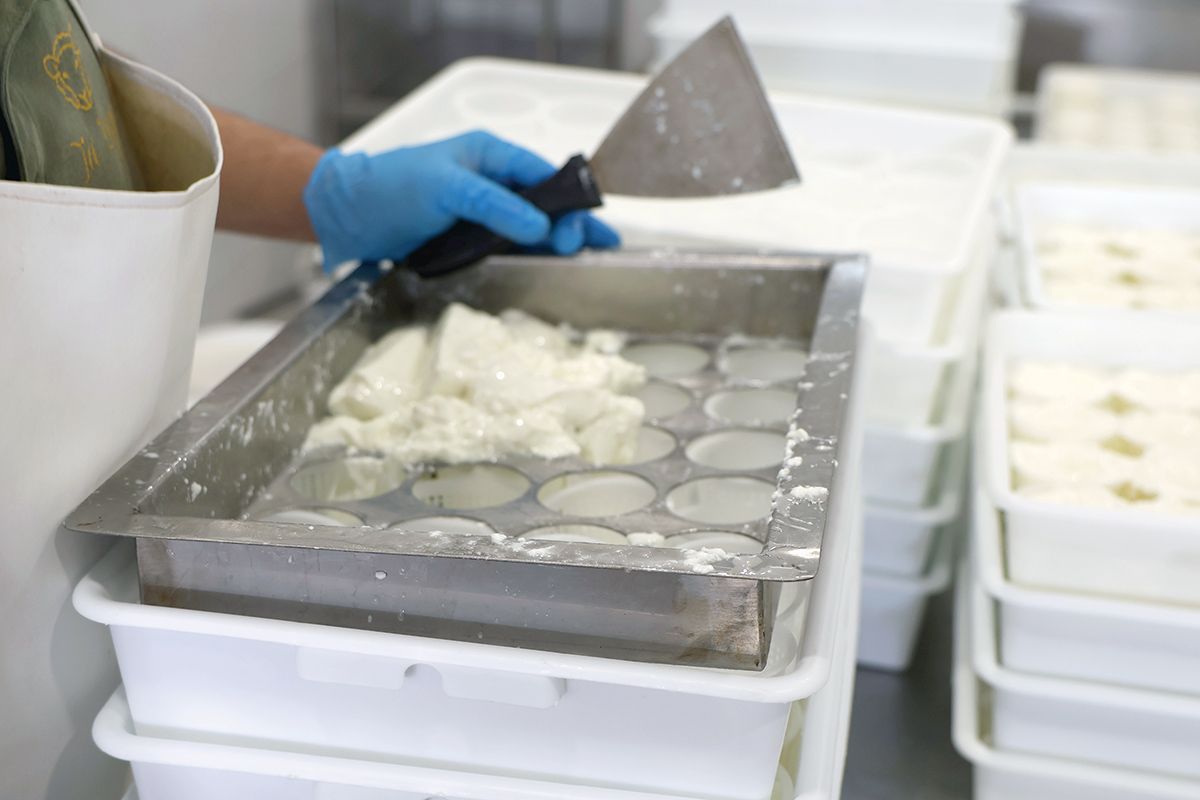
“The milk is filtered and treated with salt and rennet to create cheese, while the leftover whey is used to make ricotta,” he continues.
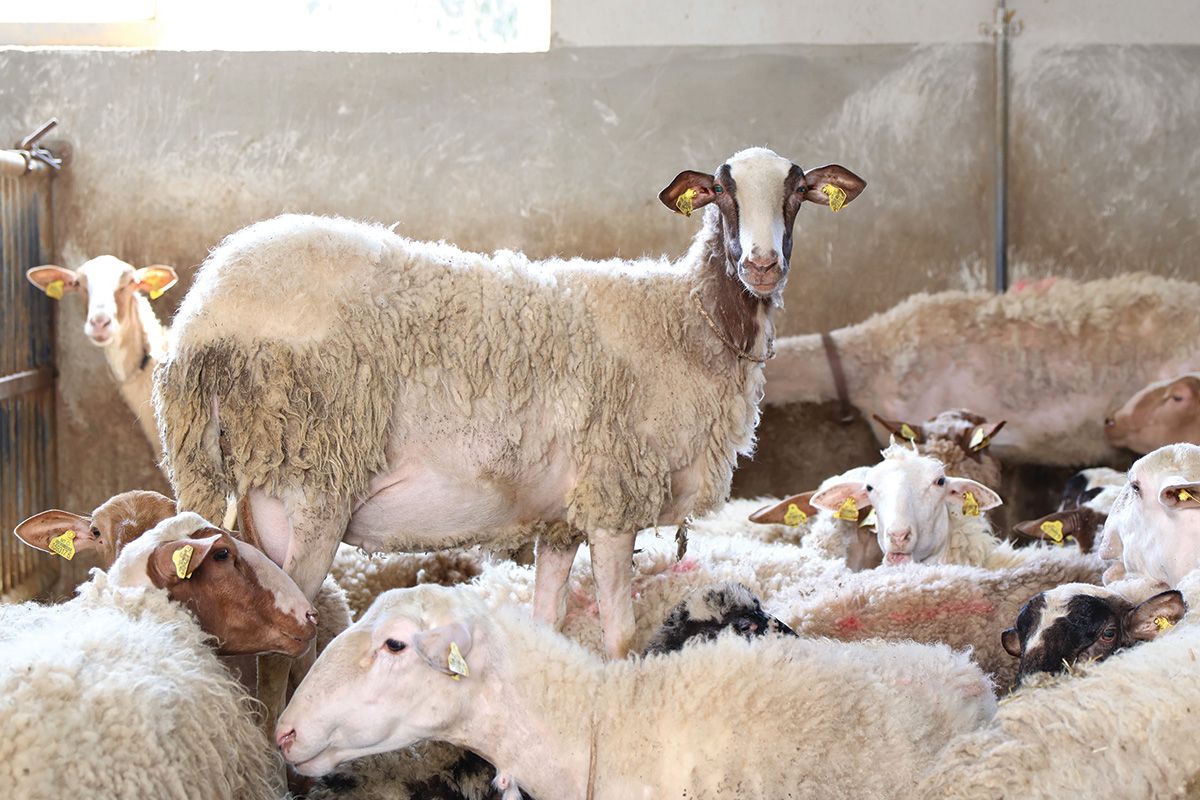
Managing the flock is a delicate process. The sheep are separated into four groups: those ready for milking, those due to be impregnated by a ram, pregnant ewes, and those that have recently given birth alongside their lambs.
“In the past, people would stop milking sheep at L-Imnarja at the end of June and start again on Victory Day in early September,” Tony explains. “Sheep aren’t usually milked during the final month of pregnancy or the first two months after giving birth. Although the milk would still be safe for consumption, it contains colostrum, which helps the lamb grow but gives milk an unpleasant yellowish appearance.”
Despite the rustic charm of the work, sheep farming is heavily regulated. Every sheep must be individually tagged for government veterinary inspections and blood tests, while milk samples are tested every two weeks and even the animals’ drinking water undergoes regular laboratory testing.
Ta’ Żeppi produces everything from traditional ġbejniet and pecorino to more experimental varieties infused with fresh herbs, saffron and paprika. Some cheeses are also aged using the ubriaco method, in which they are soaked in wine for months during the grape harvest season. “We call them ġbejniet fis-sakra – drunk ġbejniet,” Tony laughs.
Nine of the farm’s cheeses won medals at this year’s Agrifair, including four gold awards, a major honour for Joseph and his team.
“Every cheese has its own personality,” he says. “That’s the beauty of artisan cheesemaking. Even if you repeat the exact same process the next day, the cheese will taste slightly different because the sheep’s diet, the weather and even the season affect the milk.”
The farm’s cheeses now appear on menus at several local Michelin-starred restaurants, something that fills Joseph and Tony with pride.
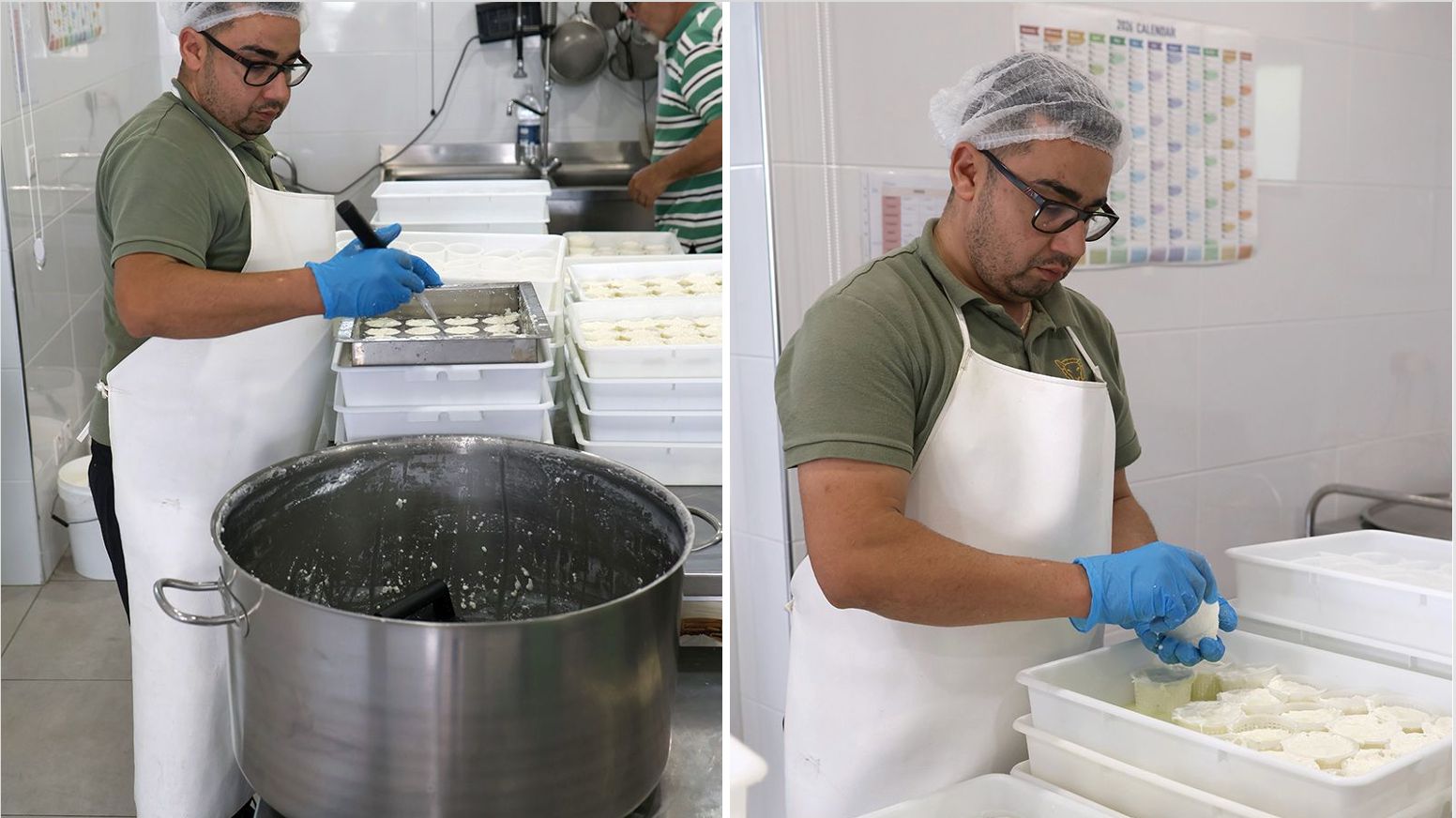
“You feel a sense of satisfaction that these restaurants are promoting Maltese produce and Maltese herdsmen,” he says. “People see our name on the menu, become curious, and the word spreads.”
For Tony, one particularly memorable dish involved the transformation of a Ta’ Żeppi ġbejna into a delicate sphere paired with ham and served alongside pastizzi pastry. “They’re wizards in the kitchen,” he says.
Ta’ Żeppi’s success is a reminder that traditional Maltese produce still has a vital place in contemporary gastronomy – and can compete at the very highest level.
This article was first featured in the 100th edition of GuidemeMalta 2026