If symptoms are particularly concerning, your best bet would be to seek medical attention.
Few things can ruin a beach day in Malta. A jellyfish sting is, unfortunately, one of those things.
From urinating on the affected area to dousing it in fresh water, there are countless myths surrounding the treatment of jellyfish things that can serve to cause further harm, if actually followed.
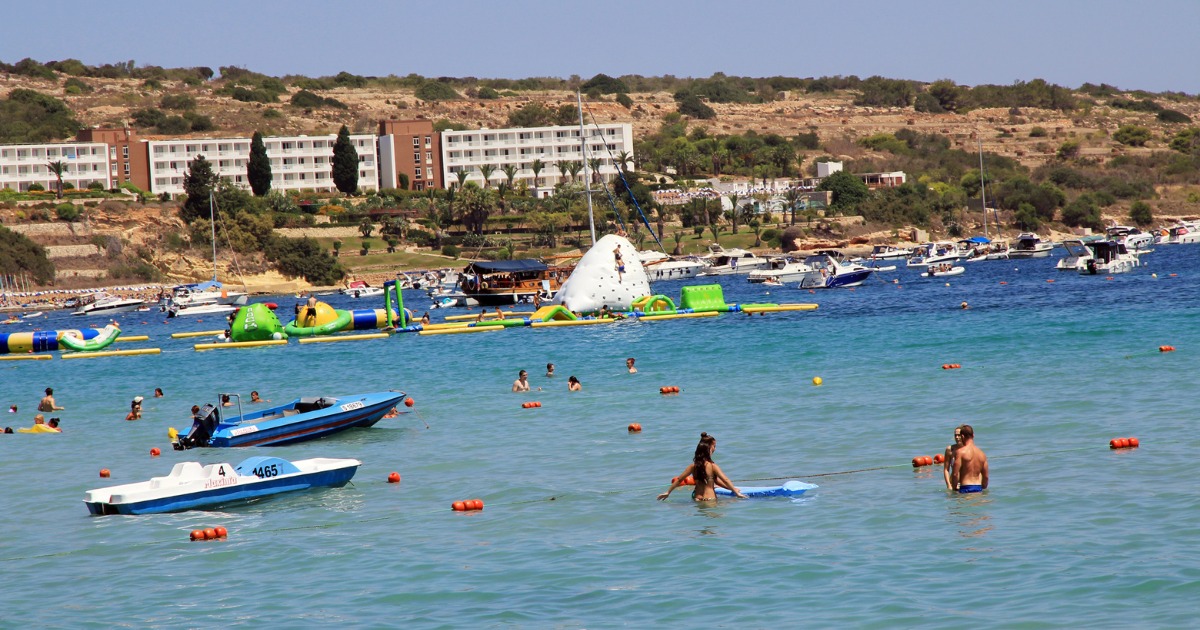
To prevent you from doing just that, and to help keep your beach day as smooth-sailing as possible, today we’re running through what you should actually do if you ever get stung by a jellyfish.
Read, set, go!
N.B. The treatment procedures mentioned in this article were first published on the ‘MEDJELLYRISK’ manual – a comprehensive document offering a wealth of information about jellyfish in the Mediterranean Sea.
For starters, keep an eye out for any concerning symptoms, such as difficulty breathing, hypothermia, and shock. Should you experience any of these, your best bet would be to seek immediate and professional medical attention.
Malta’s ambulance number is 112 – keep this handy, you never know what might happen.

If symptoms are relatively mild, it would be pretty beneficial if you could identify the species of the jellyfish behind the sting.
Knowing this can help you choose the ideal treatment protocol for your situation. Should you need to refresh your jellyfish species knowledge, make sure to check out our article running down the 11 different jellies you’re most likely to encounter in Malta during summer.
If the jellyfish species behind the sting is unidentifiable, a Pelagia, Chrysaora, Rhizostoma, or any other species (apart from Olindias, Carybdea, or Physalia), then it’s best to follow the following treatment procedure.
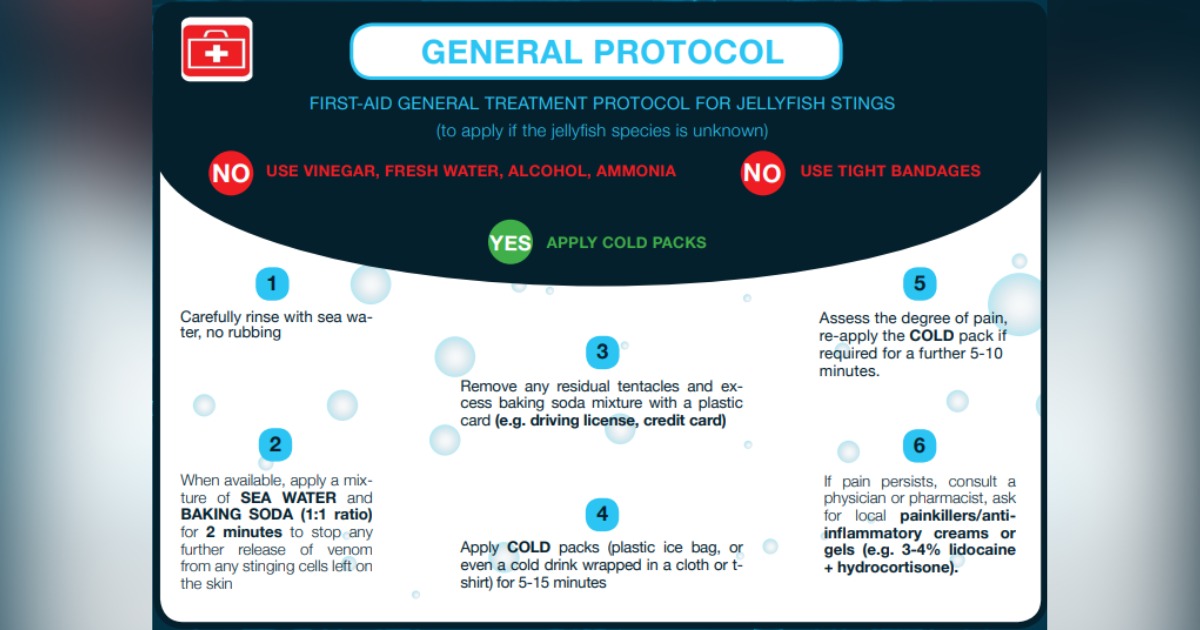
MEDJELLYRISK
If the jellyfish behind the sting is an Olindias phosphorica (cigar jellyfish), then it’s best to follow this procedure. You’re not very likely to come across this jellyfish in Maltese waters – but better safe than sorry, right?
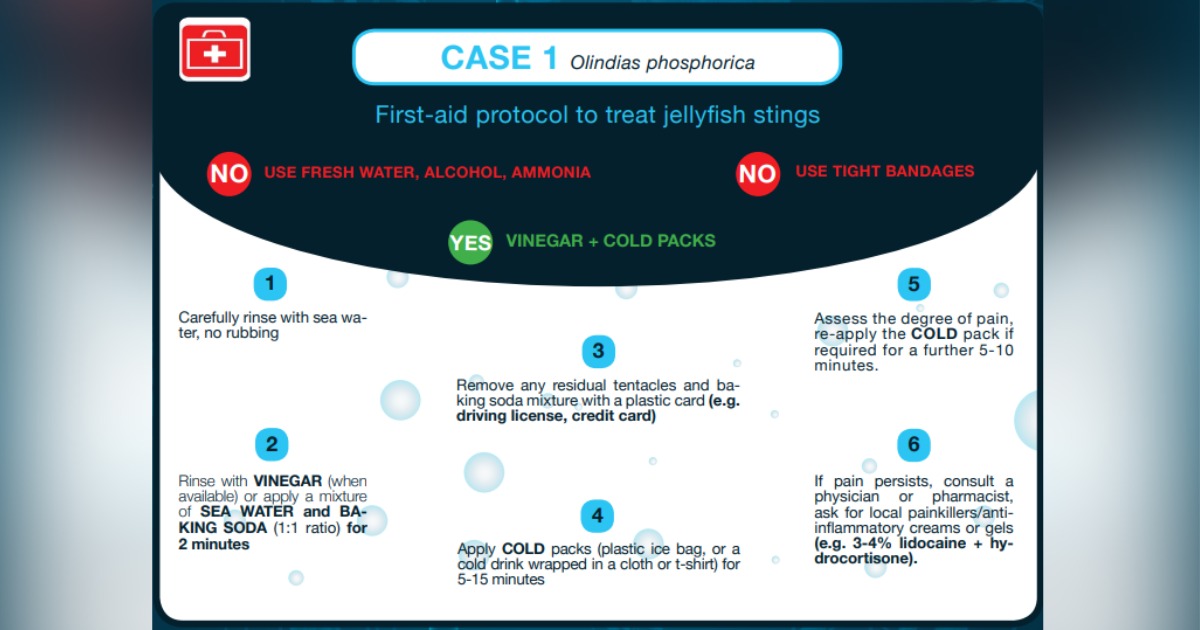
MEDJELLYRISK
If you’re unlucky enough to be stung by a Carybdea marsupialis (Mediterranean box jellyfish), then follow these steps. This species is most frequently spotted in harbour and yacht marina environments as well as sandy seabeds and is known to pack a very painful sting.
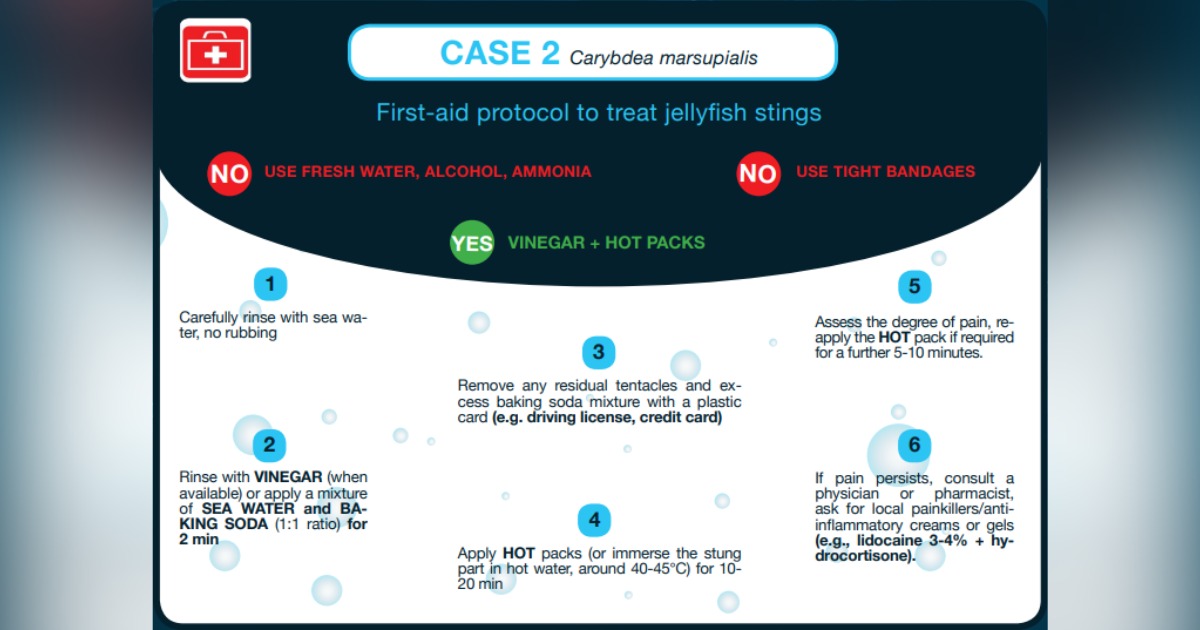
MEDJELLYRISK
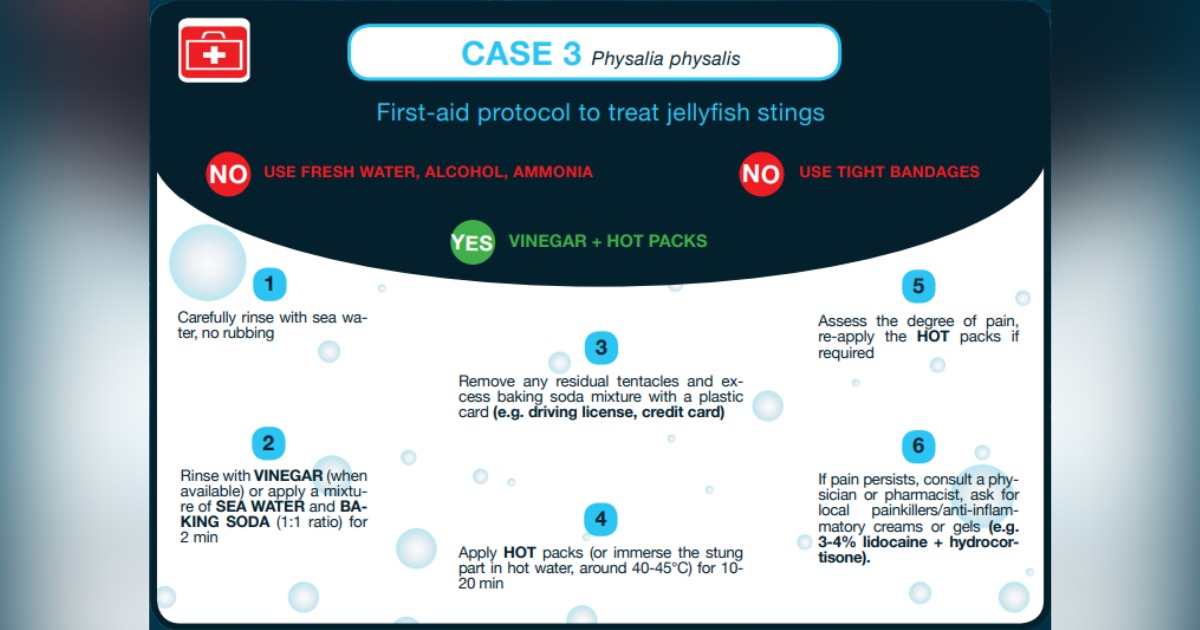
In the very unlikely situation that you’re stung by the infamous Physalia physalis (Portuguese man o’ war), follow this procedure. Luckily, this species is only ever spotted in the Mediterranean throughout spring, so you don’t need to worry about running into one anytime soon.