From prehistoric temples and medieval cities to grand forts and hidden landmarks, Malta is home to thousands of years of history.
If you're planning your next adventure, these are the historic places that deserve a spot on your 2026 bucket list.
Discover 7,000 years of history
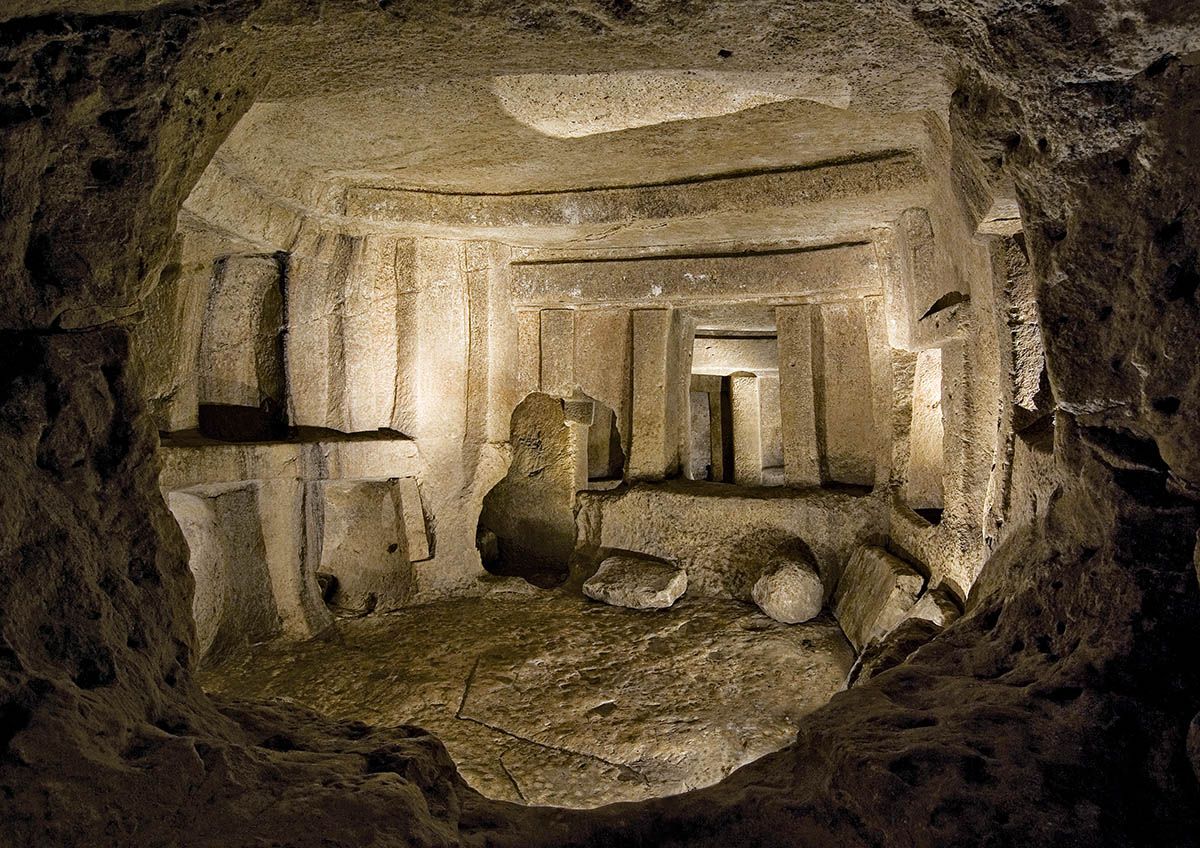
Few destinations pack so much history into such a compact space. Malta’s prehistoric temples, several of which are UNESCO World Heritage Sites, predate both Stonehenge and the pyramids, while the mysterious underground Ħal Saflieni Hypogeum (visits must be pre-booked well in advance as entry is limited) still fascinates archaeologists today. From the fortified cities of the Knights of St John to wartime shelters and ancient catacombs, every corner of the islands reveals another layer of civilisation.
Step inside a baroque masterpiece
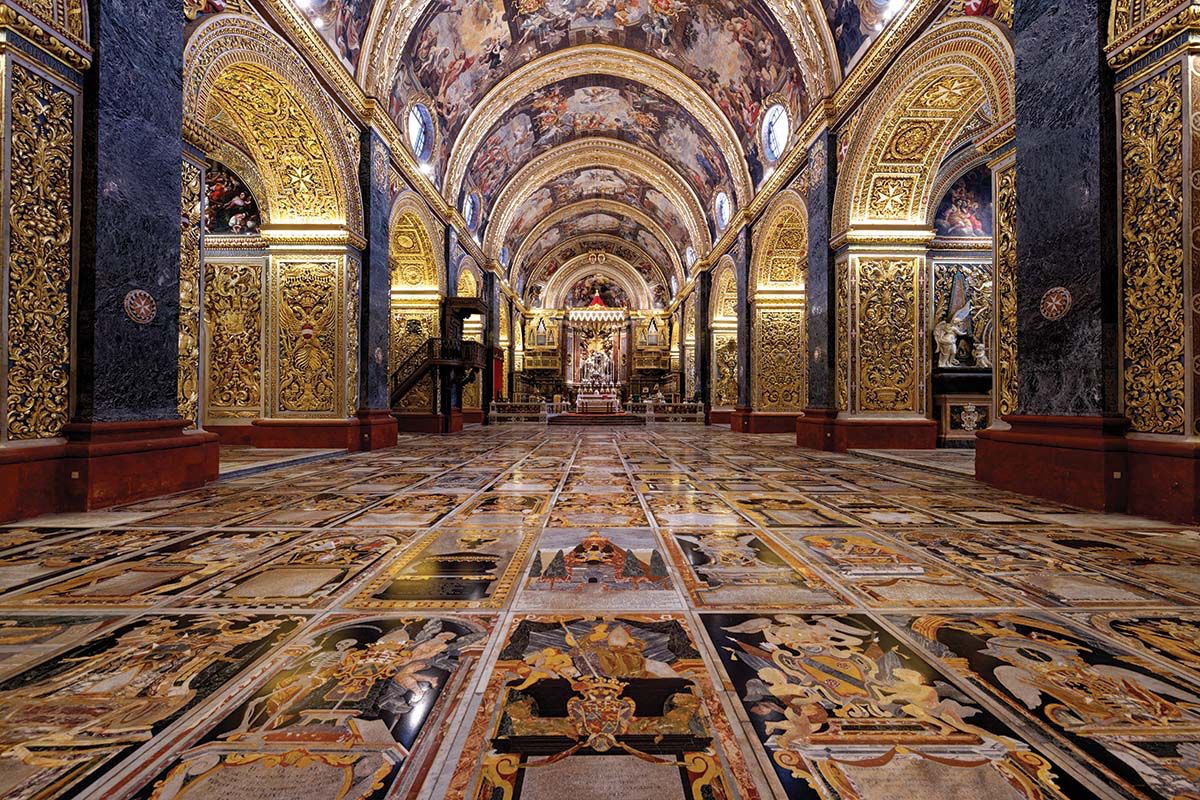
Behind the relatively austere façade of St John’s Co-Cathedral lies one of the most exuberant expressions of Baroque art and architecture in Malta, dazzling visitors with gilded carvings, intricately inlaid marble floors depicting knights’ tombstones, and Caravaggio’s dramatic masterpiece The Beheading of Saint John the Baptist. Conceived by the Knights of St John as a monumental, fortified city, Valletta itself stands as one of Europe’s great Baroque ensembles. Beyond the capital, the majestic Mdina Metropolitan Cathedral, ornate parish churches, stately palazzos, and monumental city gateways across the islands further reveal the grandeur and artistic exuberance that define Malta’s Baroque heritage.
Discover Mdina
Malta’s former capital remains one of the island’s most captivating destinations. Encircled by fortified walls and characterised by narrow alleys, noble palazzos, hidden courtyards, and sweeping views across the countryside, Mdina offers a glimpse into centuries of Maltese history. At its heart stands the majestic Mdina Metropolitan Cathedral, whose elegant Baroque interior adds another layer of grandeur to the city’s timeless atmosphere.
Visitors can explore artisan boutiques, cafés, museums, and quiet passageways that reveal something new around every corner. A stop at Il-Lokal is also worthwhile, showcasing a carefully curated selection of Maltese-made gifts, artisan products, books, gourmet items, and contemporary souvenirs inspired by local culture and craftsmanship.
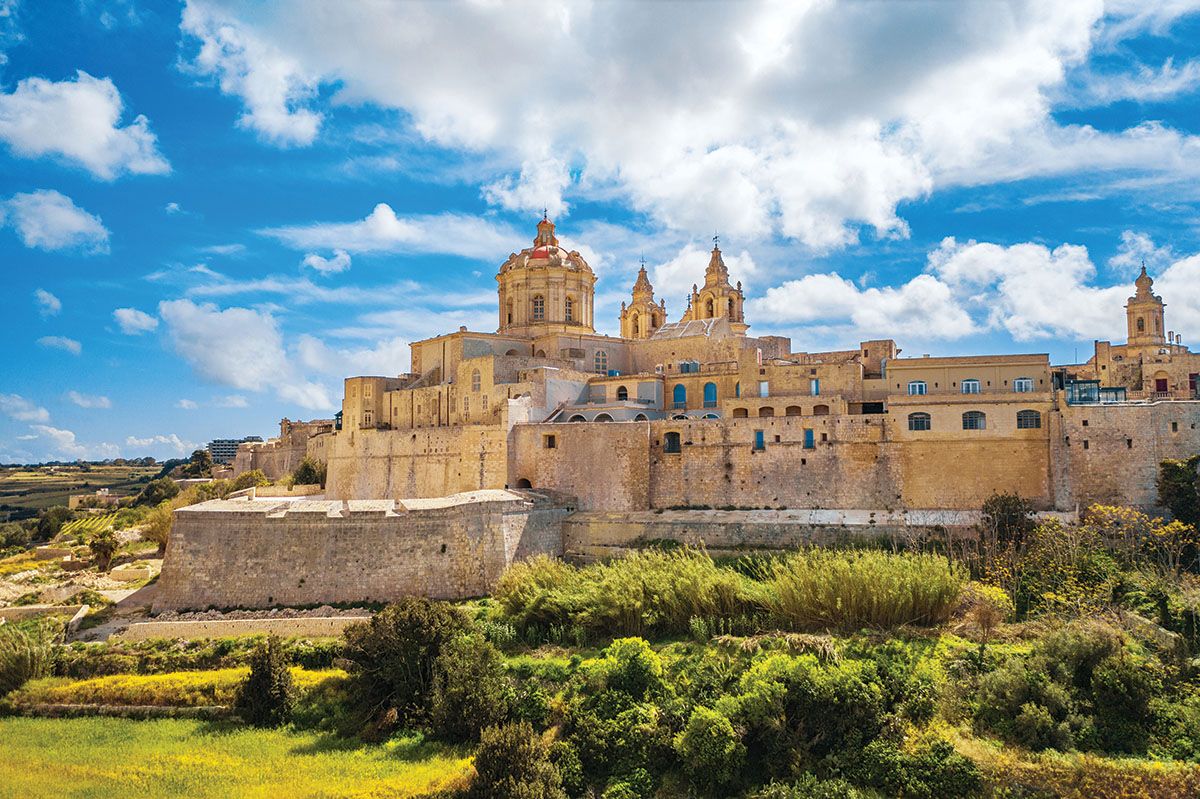
While Mdina is captivating throughout the day, the city becomes especially atmospheric after sunset. As the crowds begin to fade, the softly lit streets take on an almost cinematic quality, reminding visitors why Mdina remains known as the Silent City.
Are you planning on visiting Malta this year?
This article was first featured in the 100th edition of GuidemeMalta 2026.