SARAH MUSCAT AZZOPARDI sits down with four passionate locals who know every limestone corner of their respective hometowns, for the ultimate insider’s guide to Malta and Gozo’s capitals.
The Maltese Islands’ beating heart is split between two distinct yet captivating capitals. On the main island, Valletta, a UNESCO World Heritage Site built by the Knights of St John, is a treasure trove of Baroque architecture, history and modern culture. A wander through the Renzo Piano-designed City Gate leads visitors into a bustling maze of pedestrianised thoroughfares teeming with trendy boutiques, lively cafés and Michelin-starred restaurants. From the awe-inspiring interiors of St John’s Co-Cathedral and Teatru Manoel – to the panoramic Grand Harbour views from the Upper Barrakka Gardens and the striking Malta International Contemporary Art Space (MICAS) just outside its walls, Valletta is a powerhouse that effortlessly bridges the past and the present.
A short ferry ride across the water, Gozo, Malta’s sister island, operates at a slower pace, and its capital, Victoria (known locally as Rabat), reflects this tranquil charm. Compact and steeped in history, the city is crowned by the magnificent Cittadella, a beautifully restored medieval fortress perched high upon a hill overlooking spectacular countryside views. Life here spills out from the bastions down into the vibrant hub of Independence Square, where locals gather amidst a rich tapestry of quaint alleyways and artisan shops.
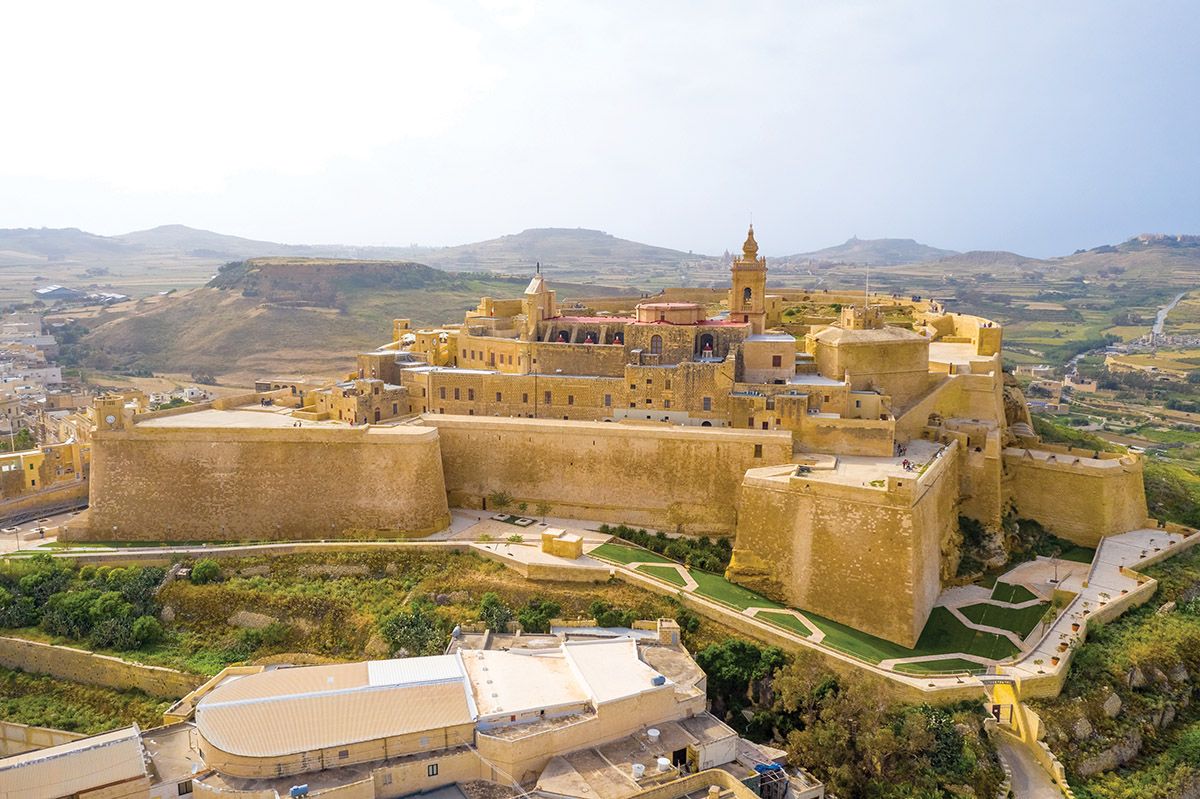
Yet, while any good guide will rightly point you towards Valletta’s Grand Master’s Palace or Victoria’s towering Cittadella, these historic heavyweights are only half the story. To truly capture the essence of these cities – the hidden gems, quiet rituals and authentic pulse of the streets – you need to look beyond the obvious.
PROFESSOR MARIA FRENDO is an Associate Professor in the Department of English at the University of Malta, a professional musician, co-organiser of the Victoria International Arts Festival, and curator of the Joseph Vella Archive at Il-Ħaġar Museum.
While Prof. Frendo laments that Victoria’s uniqueness is sometimes diluted by commercialisation in the peak seasons, she believes its true spirit is undeniable. “The original spark that had given Victoria its special quality comes out in the leaner months of the year,” she observes. “There’s a certain quietude that lends a timelessness to the place. Tennyson’s line ‘a land in which it seemed always afternoon’ comes to mind – laidback and at peace with itself and the world, where the pace is slow, inviting, challenging in its ataraxis. That’s the Victoria I was brought up in.”
To find its magic, she points visitors toward the narrow labyrinth surrounding St George’s Basilica. “It’s a warren of streets and alleys a couple of minutes away from the main squares of the city. A network of passageways that take you back in time, full of character with beautifully restored houses and a quiet, unassuming elegance. The city’s heart beats there, and it speaks through its silence.”
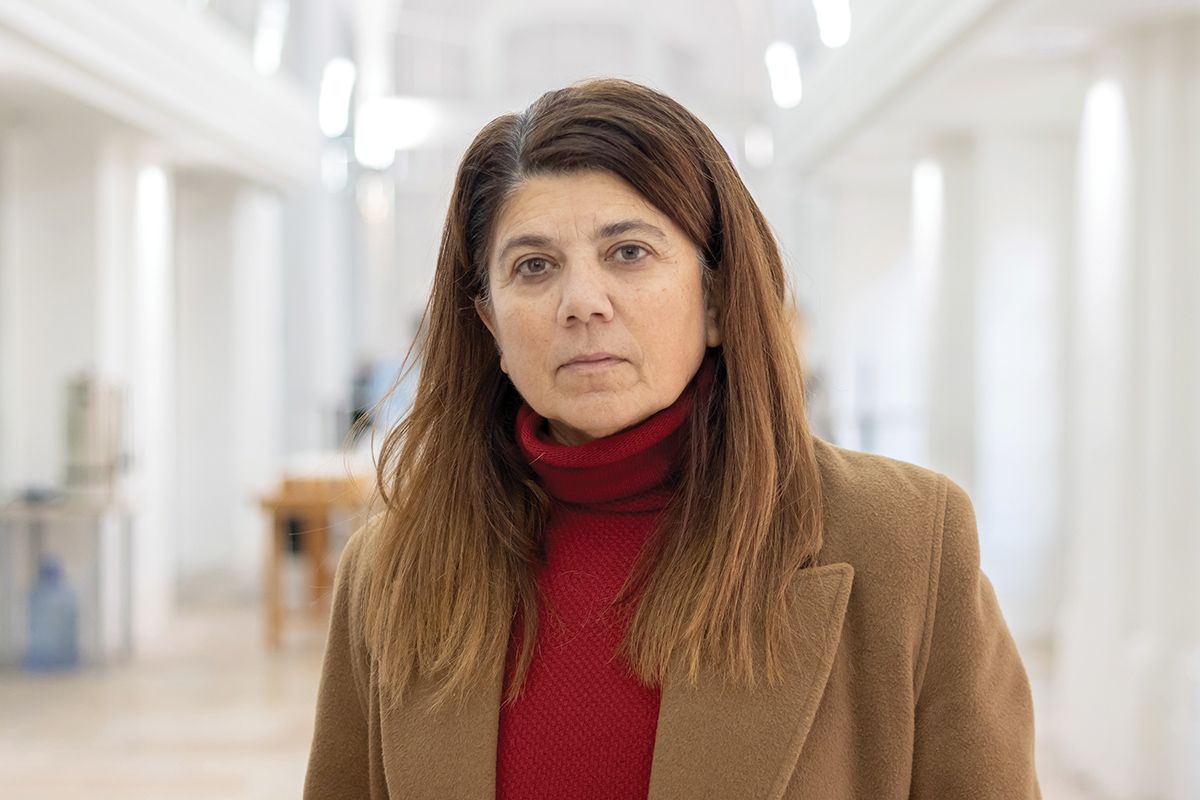
As a self-professed night owl who works late into the evening, Maria experiences the city when it is at its most poetic. “Twilight and late evening are my favourite times to go round. You feel the city heave with relief that a period of rest is beckoning, or perhaps it’s me and I’m projecting that onto the place,” she shares. “This creates a sense of direct contact with a collective legacy and a shared history that we don’t have time for during the day. The place feels in harmony with itself and the world, caressed by gentleness, ‘where the breeze warbles, and the mute still air / Is Music slumbering on her instrument’, as Coleridge puts it.”
For her, this silence is profoundly artistic. “The urban noise is shut out, and one can listen to the silence that floats on the wings of grace. Hedged in by the boundaries of its walls, this silence is the bondage that sets the buildings free in the almost provoking suavity and beauty of the ancient rites of ‘ghosts’ that validate it. That is the Victoria I love.”
Visitors expecting a sleepy rural retreat are often shocked by Victoria’s artistic pedigree. “It’s quite astonishing how much culture goes on in our city, from popular events to more highbrow ones,” she notes proudly, highlighting how the city’s architecture serves as a stage, from “the lovely churches right in the heart of the city” to “rooftop spaces such as that at Il-Ħaġar Museum.”
And if a visitor only had one afternoon? Maria's answer is short and sweet: “Promise themselves to come back.”
This article was first featured in the 100th edition of GuidemeMalta 2026.