



Malta Book Festival to bring Maltese children’s books to life through theatre
It’s all happening between the 4th and 8th November!




While it can be a frustrating experience for drivers, Saharan dust essentially acts as a long-range fertiliser for plankton


EU Copernicus satellites have captured the extent to which Malta was hit by dust from the Sahara Desert in recent days.
The image was shared by marine biologist Alan Deidun, who described it as “some fertiliser coming our way”.
Indeed, while it can be a frustrating experience for drivers, Saharan dust essentially acts as a long-range fertiliser for plankton by depositing essential nutrients like iron and phosphorus into the sea.
Times of Malta reported that Malta’s five air quality monitoring station – in Attard, Għarb, Msida, Żejtun and St Paul’s Bay – all recorded significant spikes of airborne dust in recent days, well above the World Health Organisation’s recommended limit.

New & now

It’s all happening between the 4th and 8th November!
It’s all happening on the 24th and 25th October!
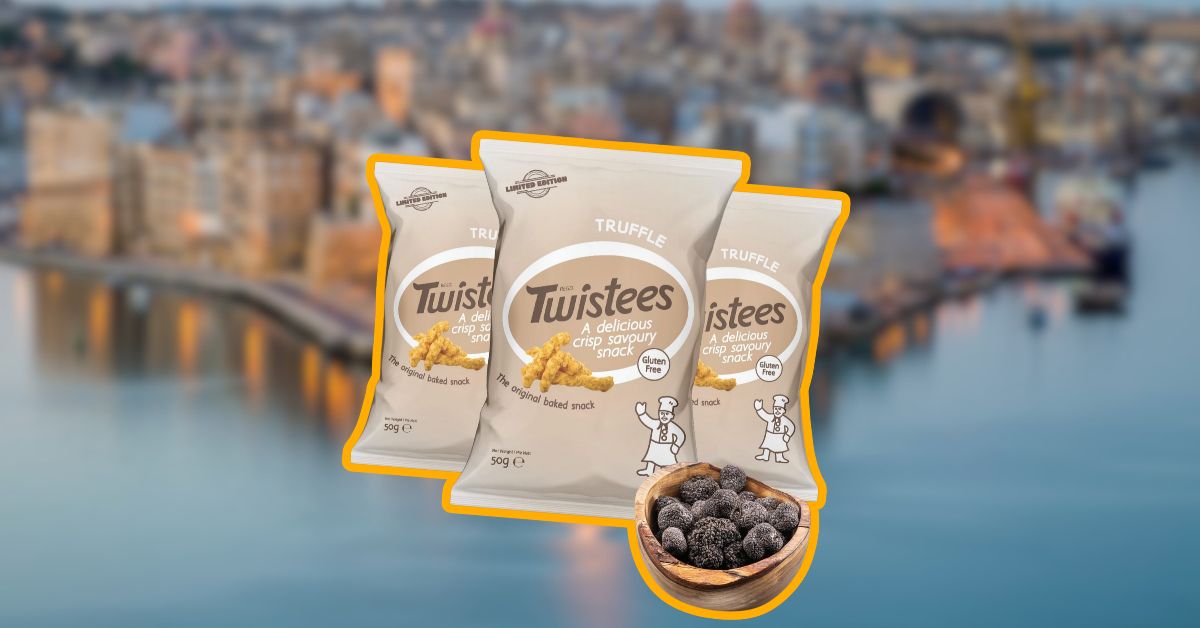
Truffle follows cinnamon on the Twistees comeback trail!
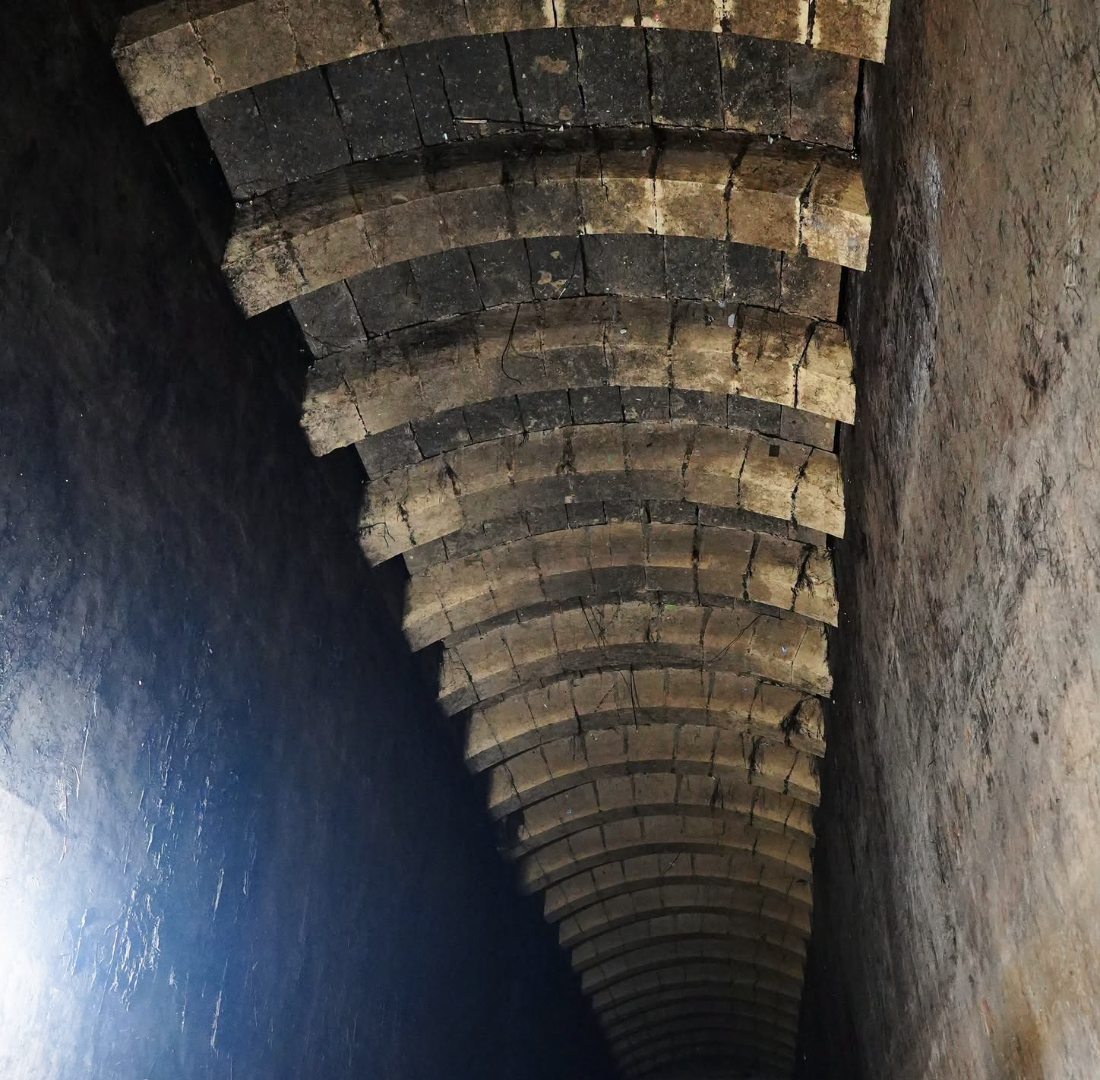
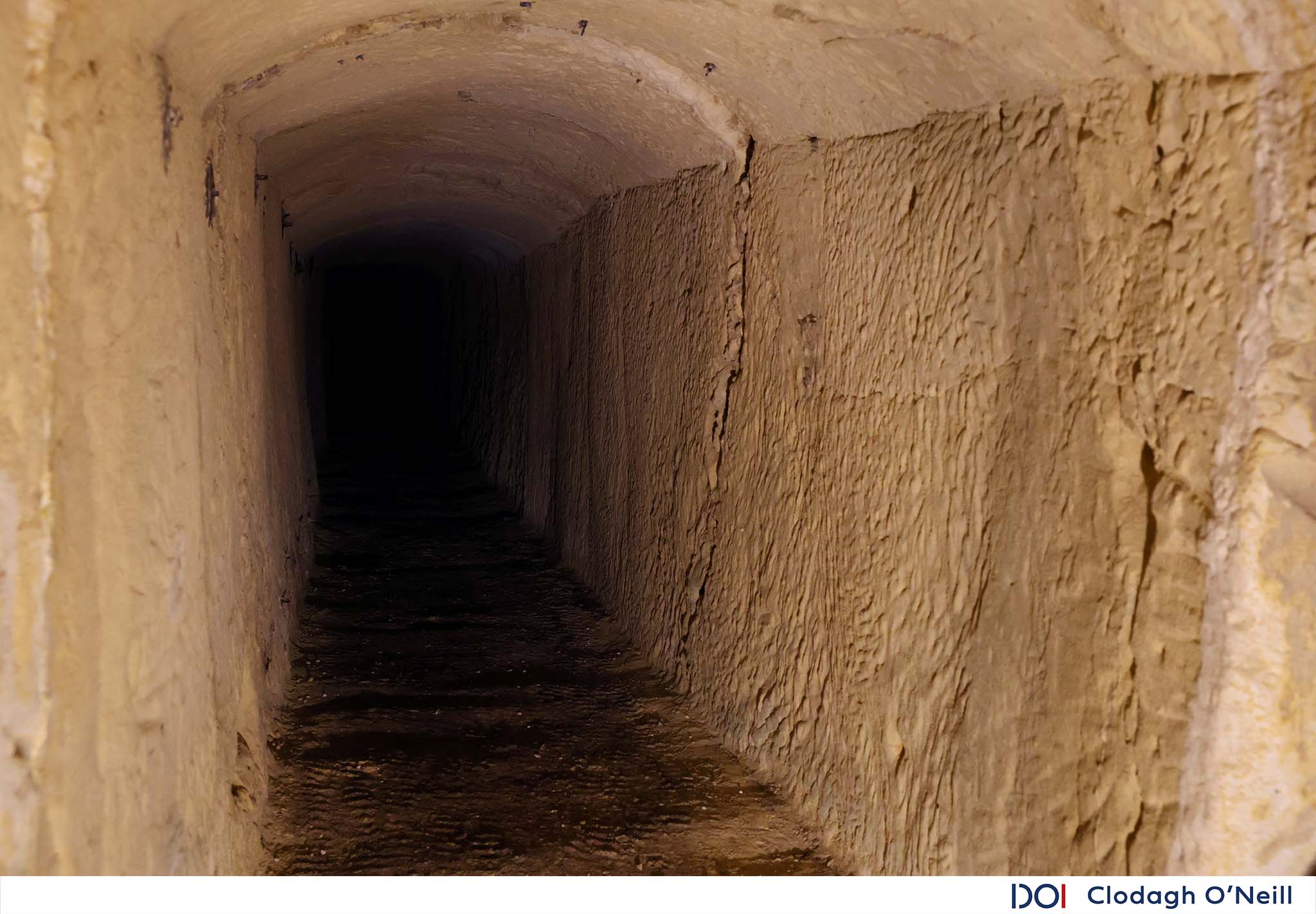
The underground reservoir just underwent a major clean-up, with more than 90,000 litres of sludge...