Here, REBECCA ANASTASI speaks to Chairperson, PHYLLIS MUSCAT, as well as Artistic Director, EDITH DEVANEY, about MICAS’s mission to recentre Malta as a “site of contemporary cultural production”.
Since its launch at the end of 2024, the Malta International Contemporary Art Space (MICAS) has aimed to foreground Malta’s role in fostering contemporary artistic practice. Indeed, it has since hosted artists of international calibre such as the Portuguese visual artist Joana Vasconcelos as well as the painter Reggie Burrows Hodges, whose work will be exhibited until 30 August.
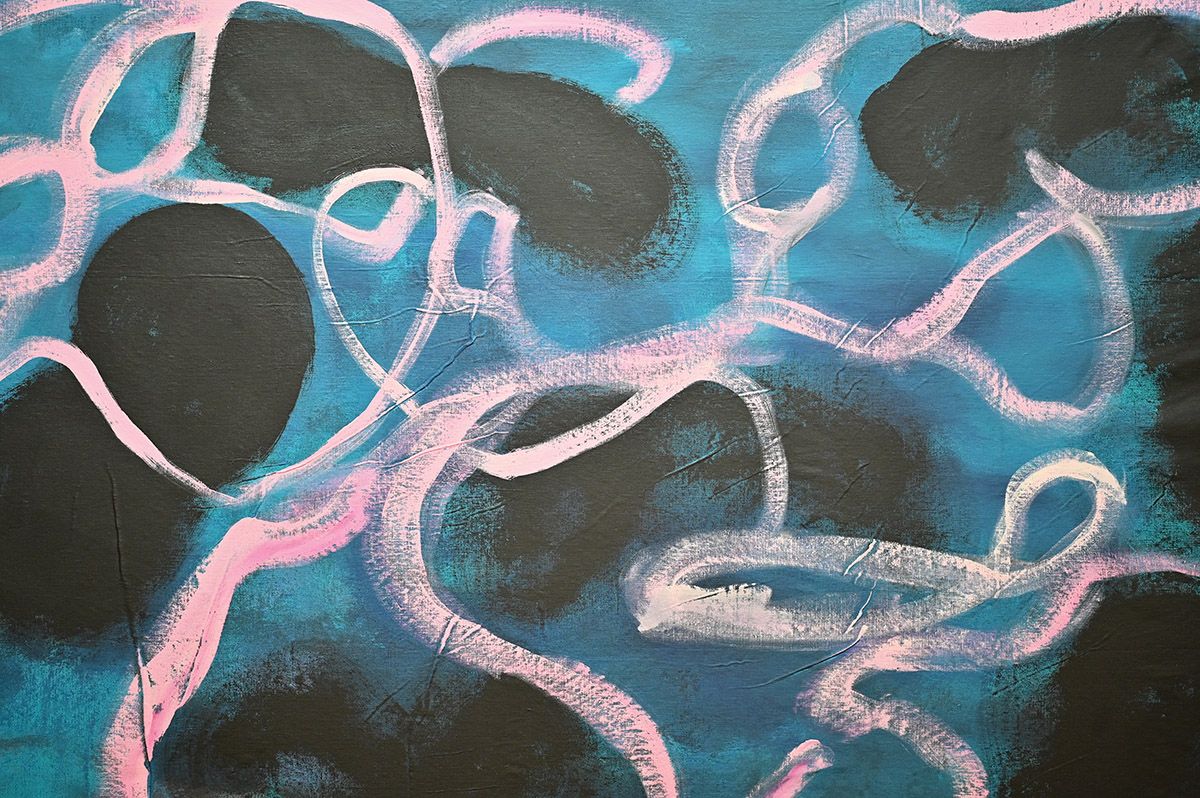
At the end of 2024, the Malta International Contemporary Art Space (MICAS) opened its doors with a widely-praised inaugural exhibition: that of the work of Portuguese visual artist Joana Vasconcelos, whose large-scale installations have also been hosted within the halls of the Royal Academy of Arts in London, Grassi Palace in Venice, and the Thyssen-Bornemisza National Museum in Madrid. An Officer of the Order of Arts and Letters, granted by the French Ministry of Culture, and founder of Atelier Joana Vasconcelos, the artist was in Malta to introduce her work to the island, including Tree of Life, a first for the country’s contemporary art scene.
Positioning Malta at the heart of the international artistic zeitgeist, while opening opportunities for engagement with renowned work from across the globe, is central to the mission of MICAS. “Malta is often perceived within dominant cultural narratives as a Baroque island – the architectural legacy of the Knights and Caravaggio’s brief but influential presence are two major reference points,” says Phyllis Muscat, the entity’s Chairperson. However, “this heritage-centric identity has privileged a singular epoch at the expense of broader temporal and aesthetic pluralities. As a result, Malta’s evolving role as a site of contemporary cultural production has often been marginalised, while the absence of regular engagement with contemporary international practices weakens the ecosystem for both artists and audiences,” she explains.
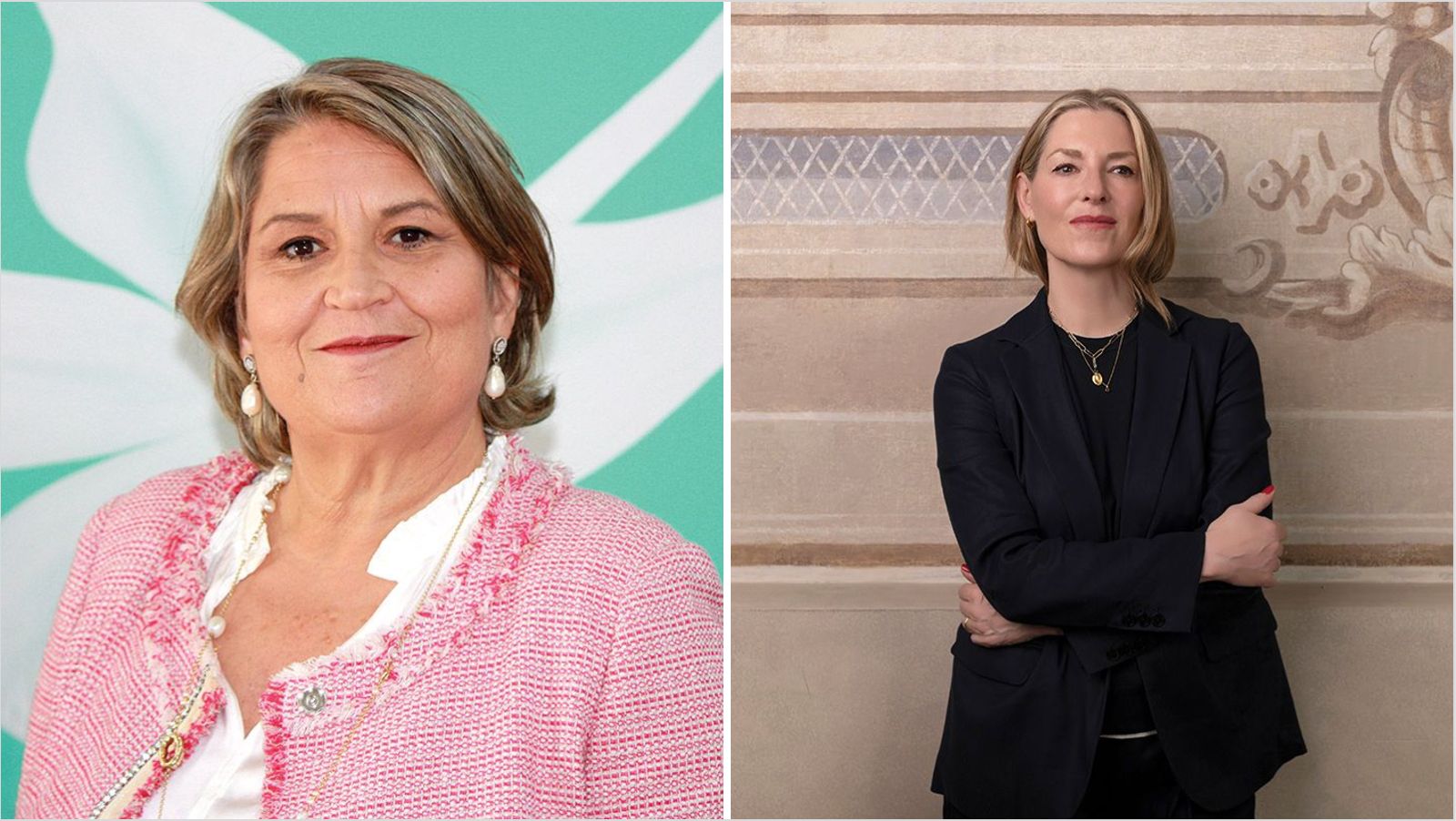
To remedy this gap – and concomitant with a “broader state commitment to developing the visual arts within the national framework”, Ms Muscat continues – MICAS aims to engage the public through world-class exhibitions, as well as position Maltese artists at the nexus of global practice.
“MICAS believes that its artistic programme should match high standards and foster international and local collaborations, aiming to be a leading contemporary art institution on the global stage,” says its Artistic Director, Edith Devaney, who for 20 years had occupied the position of Senior Curator at London’s Royal Academy of Arts. “By selecting artists with an established international reputation, MICAS also encourages international artists to engage deeply with Malta’s culture and the specific site where their work will be placed,” she asserts.
Ms Muscat concurs: “We have traced an exciting narrative arc so far: opening with the grandiose, larger-than-life works of the acclaimed artist Joana Vasconcelos, paying tribute to the late Maltese artist Raymond Pitrè, showcasing the works of Vince Briffa, Anton Grech, Joyce Camilleri, Austin Camilleri, Caesar Attard, and Pierre Portelli,” the Chairperson explains. Moreover, MICAS has brought to the island “the second-ever European showing of works by the great American modernist and colourist Milton Avery, together with responses from major contemporary artists Henni Alftan, Harold Ancart, Andrew Cranston, March Avery, Nicolas Party, Gary Hume, and Jonas Wood,” she attests.
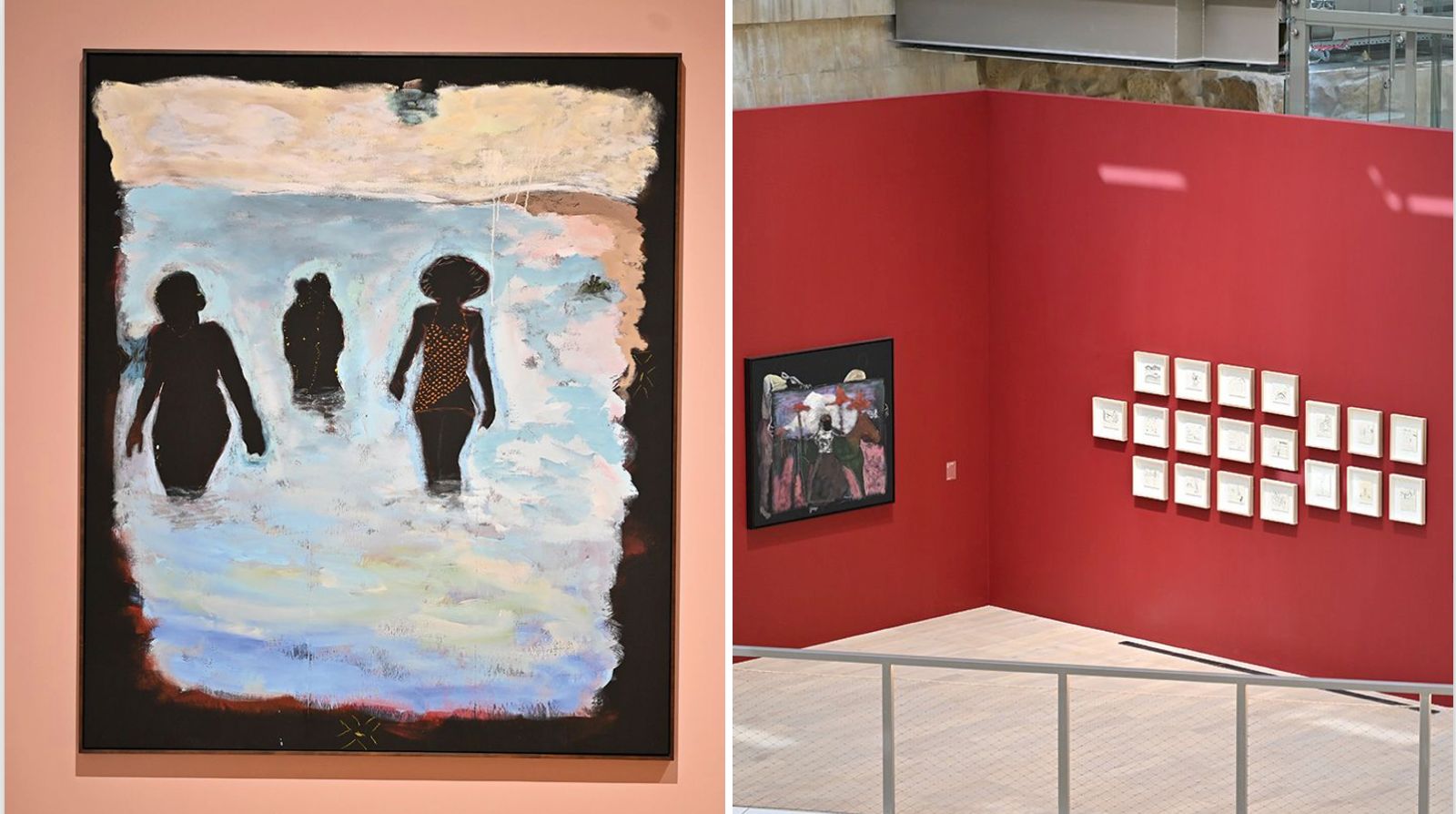
Notably, and until the 30th of August, the space is hosting the work of California-born painter, Reggie Burrows Hodges, who will be showcasing 30 of his works across the four floors of MICAS, in an exhibition entitled Reggie Burrows Hodges: Mela.
“Reggie Burrows Hodges visited MICAS back in 2024 when the museum was not even yet complete, and he decided that he would establish a studio here to create work for a solo exhibition,” Ms Devaney explains, stating that the exhibition itself was forged as a result of “institutional trust and personal commitment”.
“When Hodges agreed to work with MICAS, the museum was still under construction. He had not yet seen the finished galleries. Like several other artists who committed to the early programme, his participation required a considerable leap of faith. MICAS’s exhibition team also worked hand-in-hand with Hodges in preparing the galleries for his exhibition and cataloguing the works for the Skira-MICAS publication,” Ms Devaney says.
Burrows Hodges was, indeed, invited to “inhabit the islands and encounter our history and society, and this is what he did,” the Artistic Director continues. In so doing, he has produced a “body of work that is deeply imbued with his experience and discovery of Malta. It is precisely this beauty – the application of pigment, the sensitivity of Reggie’s palette, and the fearless scale of the paintings – that envelops the viewer both visually and emotionally.”
Fundamentally, the Artistic Director insists, MICAS’s “exhibitions are ultimately the product of our search for excellence. Our programme should be as strong as any programme that would be delivered in London, Paris or New York. This commitment to excellence applies both to bringing international artists to Malta and to showcasing Maltese artists.”
In addition, says its Chairperson, the entity is committed to fostering a rooted cultural engagement among the Maltese public, taking on a more educational role. “Coupled with these artworks were annual conferences focusing on contemporary art, its role in improving our lives and modern society, and educational activities,” Ms Muscat says.
Indeed, since 2025, MICAS has hosted open weekends to encourage visitors to appreciate the architecture of the space, as well as tailored programmes and outreach with schools and universities, with the first educational symposium set to take place this summer. “These pathways provide layered access to the location’s complex history, and meaningful engagement with contemporary art for wider, more diverse audiences than traditional museum programming typically reaches,” Ms Muscat explains.
“Our experience so far is that we have seen people of all walks of life, both Maltese and non-Maltese, enjoy the space at MICAS. Unlike many museums and their ‘cube-like’ presentations, the spatial layout at MICAS combines outdoor spaces and its tiered internal galleries to give visitors a way of discovering contemporary art at their own speed and leisure,” the Chairperson says. Elaborating, its Artistic Director also underscores how best to experience the architecture and exhibits of the space.
“Visitors should make a MICAS visit one in which they have time to absorb the architecture, its connection between past and present, the space inside and how the light hits the ground from the window of the Barbara Arch,” she says. Visitors should then “encounter each single work gently, taking time to go over the textures and the subject matter of the paintings before their eyes – maybe even returning to each of them as they make their way back up from the bottom floor,” she highlights, concluding.
For more information on MICAS and its upcoming events, visit here. The space offers free admission on Sundays, when visitors can also join a complimentary guided tour of the exhibition at 11.00am.
This article was first featured in the 100th edition of GuidemeMalta 2026.